Warning Signs of Termites Infestation
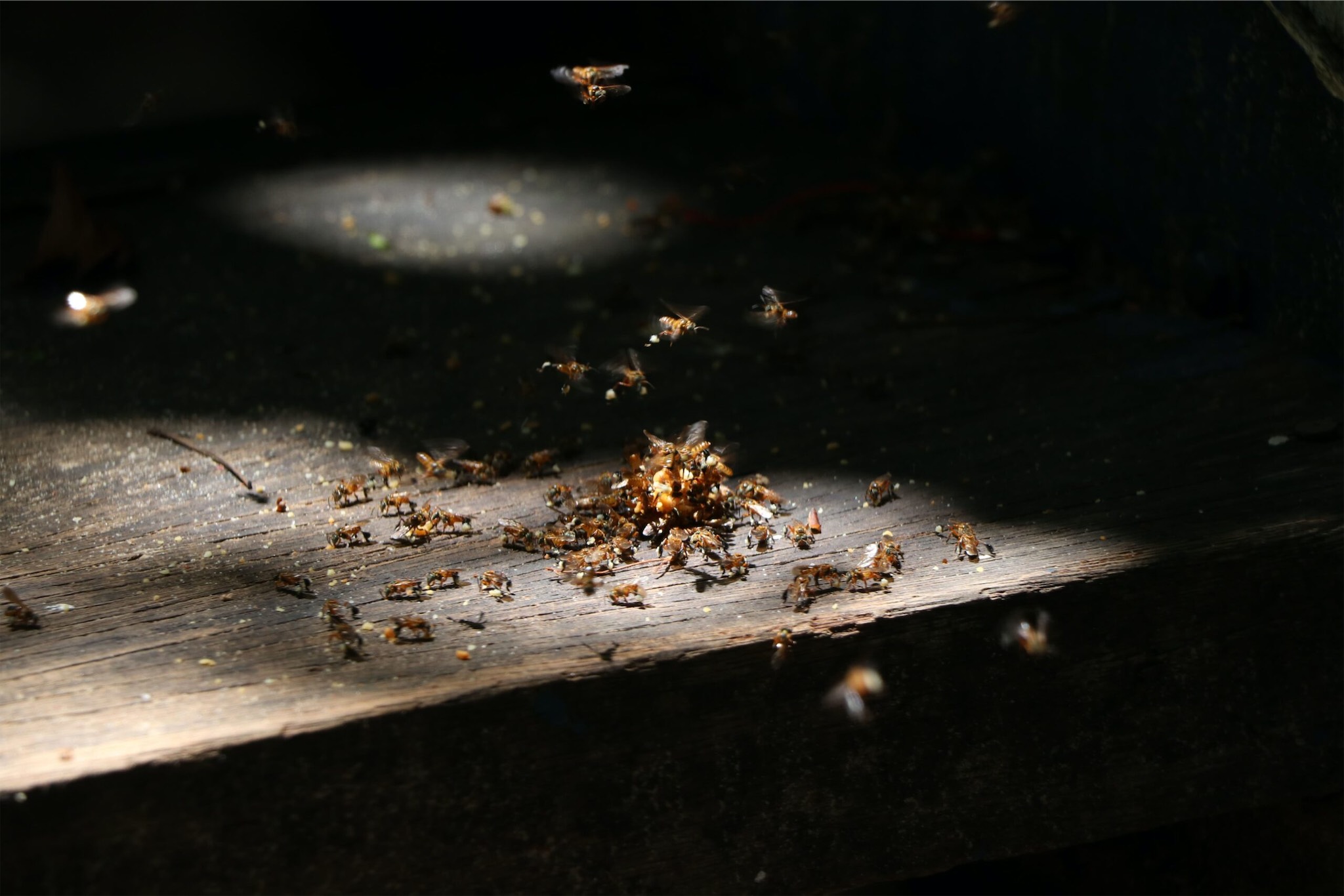
Pests can be sneaky creatures. Mice can squeeze in through a crack and get into pantry items. Cockroaches can sneak in through vents and spread disease-causing bacteria. And spiders can invade and leave webs in the corners of rooms.
But termites are the sneakiest creatures of all.
While the above-mentioned pests leave signs of their presence, termites often leave no visible signs and can go for years, or even decades, eating away at the wood of a home, completely undetected. But there are signs that termites leave behind, if you know what to look for and where to look.
It is imperative for homeowners to know the signs of a termite infestation, because it could save hundreds, or thousands, in costly repairs down the road.
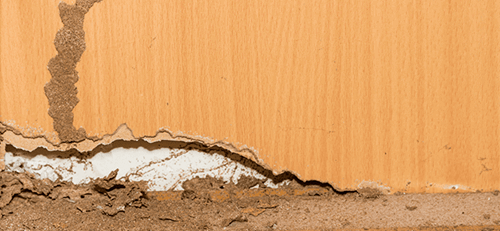
Termites cause an estimated $6.8 billion in property damage annually, according to the National Pest Management Association.
If left to their devices, termites can eat away at the wood of a home, 24 hours a day, 365 days a year, without ever sleeping, and without ever taking a break.
Over time, this kind of infestation can lead to bulging walls and floors, doors and windows that refuse to open or close, and wood that becomes unsafe to walk on.
The following signs can help you spot termites early and avoid extensive damage to your home and your equity.
12 Warning Signs of Termites
1. Termites Near Your Home
If you have rotting stumps or other forms of decaying wood outside your home, do an inspection for the presence of termites.
If you break off part of a stump and see a mass of little white things that resemble ants, you are likely looking at termite workers.
And if termites are near your home, there is a chance they have found their way inside your walls and other wooden areas of your structure.
Termite workers can travel as much as the length of a football field in search of food.
2. Termite Damage on the Outside of Your Home
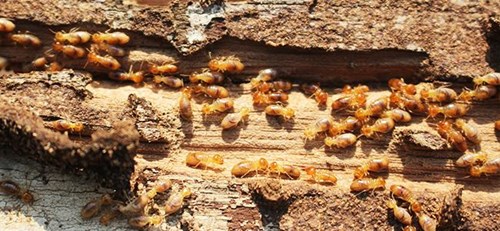
If you have places on the outside of your home where the wood touches the soil (especially if it is in a moist, shady spot), look there for evidence of termite activity.
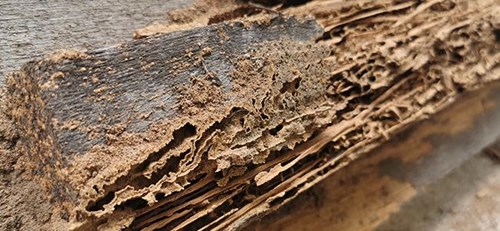
If the wood looks like it has been attacked by carving knives and the troughs are rough to the touch, you can be relatively sure termites have been at work in that location.
Galleries made by carpenter ants, another wood-destroying pest, will be smooth.
3. Translucent, Shed Insect Wings
While shed wings can be indicative of a flying ant swarm, those wings could be termite swarmer wings.
When a termite colony is mature, it will send out termite reproductives, also called alates or termite swarmers, to start new colonies.
If termite swarmers have come and gone, you may find their shed wings in places such as on window sills, on decks or patios, on foundation walls, or even caught in spider webs.
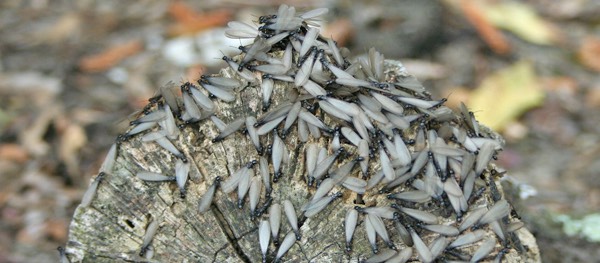
4. Termite Swarmers
It is rare to actually see termite swarmers since they only appear once or twice a year, and only for around 1/2 an hour. Swarms usually happen in the spring, a time of year known as termite season.
But if you do see these on the outside of your home, you can be assured there is a mature colony close by, and maybe even inside your structure.
If you see these swarmers inside your home, this is a sure sign you already have an active termite infestation.
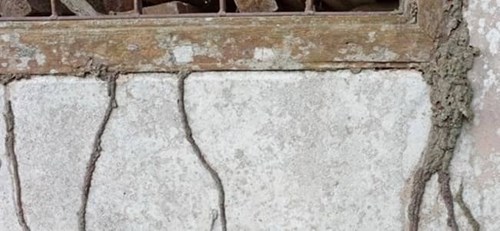
5. Mud Shelter Tubes
These are pencil-width tubes that worker termites build from the soil to the wood in order to shelter themselves from the harmful effects of the sun and air.
These are most often found in hidden, shady spots on foundations or crawl space cement blocks.
Sometimes they are even built up through concrete blocks, making them even more difficult to spot.
6. Noises Inside Walls
If there is a location on your home that is infested with termites, you may be able to hear noises if you have great hearing, or you use a stethoscope.
The noises you may hear come from soldier termites banging their heads against the walls to signal danger. It will sound like a faint clicking noise.
If soldiers do not perceive danger, you won’t hear anything at all.
7. Stuck Windows or Doors
Termites often start by targeting easy-to-reach places like window and door frames.
As termites eat through this wood, the frames lose their strength. Moisture can also seep in through small gaps, which can swell the wood and lead to rot.
Either way, you may notice that windows and doors become difficult to open or close.
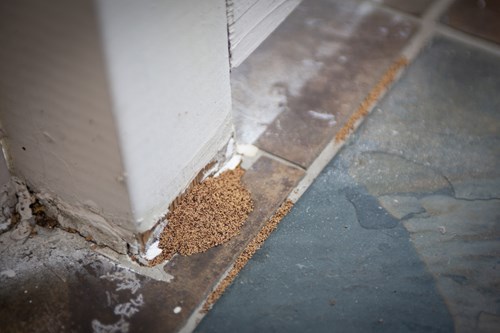
8. Termite Droppings
Termite droppings, also called frass, are another sign that termites may be at work.
As termites eat through wood, they push droppings and debris out of their colony. Frass can look like sawdust or shavings, and it is usually found in small piles below holes in the wood.
9. Small Holes in Wood
If you carefully inspect the wooden elements in your house and find tiny holes, termites could be inside.
Termites make these holes to push debris and droppings out of the wood.
10. Hollow-Sounding Wood
Knock on the wooden structures in your house and listen to the sound.
If the wood sounds hollow, termites may have done extensive tunneling inside it.
11. Bubbling Paint or Wallpaper
Paint or wallpaper that starts to bubble could be a sign that termites are present.
It could also point to a moisture problem. Either way, you will want to have it checked out.
12. Bulging Walls, Sagging Ceilings, or Buckling Floors
Any of these signs in your house indicates a well-advanced termite problem.
The longer termites go unnoticed, the more they can damage the structural integrity of your house.
When Should I Call a Professional About Termites?
There are many DIY measures that are rumored to help you avoid a termite infestation.
However, these methods are time-consuming, messy, dangerous, and fall short of getting rid of every single termite in every single colony and satellite colony that they have created.
So, when should I call a professional about termites? Long before you experience any termites or termite damage is preferable.
Whether you have a current infestation, want to know if you have an infestation, or just want to prevent termites, you should call on American Pest. Our pest professionals can eliminate active termite colonies and help keep new ones from forming.
The Sentricon® System with Always Active™ works around the perimeter of your home to eliminate active infestations and help prevent new ones.
In the meantime, watch for flying termite swarms, sawdust and feces piles underneath wooden items, clicking sounds in your walls, tiny holes in your drywall, hollow-sounding wood, and mud tunnels in and around your basement and foundation.
Of course, prevention is a better way to avoid termite damage, but if you see any of these signs in and around your home, you should contact us right away to put an end to termite activity in your home.
Why Year-Round Termite Prevention Is So Important
Termites are a multi-billion dollar problem for property owners here in the United States. Termite damage is also rarely covered by insurance companies, because they consider it preventable with routine maintenance.
The problem is that most homeowners do not have the training to apply this maintenance effectively. That is why trusted products applied by a certified professional matter.
If you need termite protection for your home, American Pest can help. One of our certified termite control technicians can guide you in choosing the best termite treatment option for your needs.
For real estate agents wanting a termite inspection, contact us here. And if you’re currently dealing with an infestation, we’ll help you get it under control. Give us a call to learn more.
Request Your Pest Control Estimate
Related Posts
Contact Us Today!
Do you need an estimate for service or have questions about pests? We’d love to hear from you!
Fill out the form and receive feedback today. For immediate service, please give us a call!