Preparation: Conventional Bed Bug Treatment
Proper preparation is the key to getting great results. This is especially true when it comes to eliminating bed bugs. These insects have been dwelling almost exclusively with humans since the beginning of written history. To say that bed bugs are good at surviving attempts to exterminate them would be an understatement.
Please note: treatment will not be provided to anyone that has not followed the preparation guidelines outlined in this document. If you have any questions about an item listed here, don’t hesitate to ask for clarification.
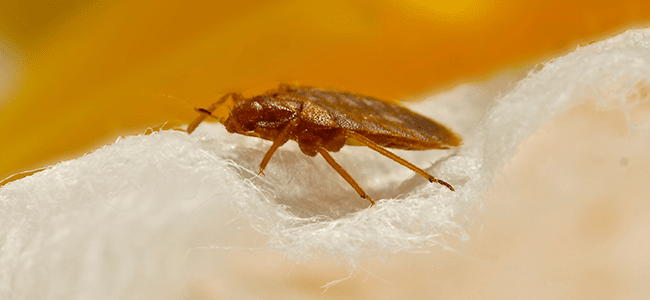
Vacuuming
The mechanical removal of bed bugs through vacuuming is essential. Be sure to discard all vacuumed contents into sealed bags before taking them outside after use.

Vacuum all of your rugs and floors. Use the crevice attachment to get carpet edges and baseboards.

Vacuum mattresses, box springs, and bed frames. Use the crevice attachment for crevices, handles, and buttons.

Vacuum sofas, futons, recliners, and other furniture items. Use the crevice attachment for stitching, seams, and gaps.
Laundering
Everything that can be laundered should be washed in hot, soapy water and run through a dryer cycle at the hottest temperature possible. Be sure to discard debris collected in the lint trap after each cycle. After laundering, place items in clean/new plastic bags or plastic containers that can be sealed. Put these bags and containers in the center of your living room or some other large space until the treatment is completed.
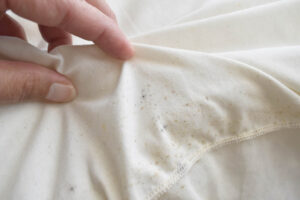
Be sure to watch and dry linens and bedding. These are high-risk items.
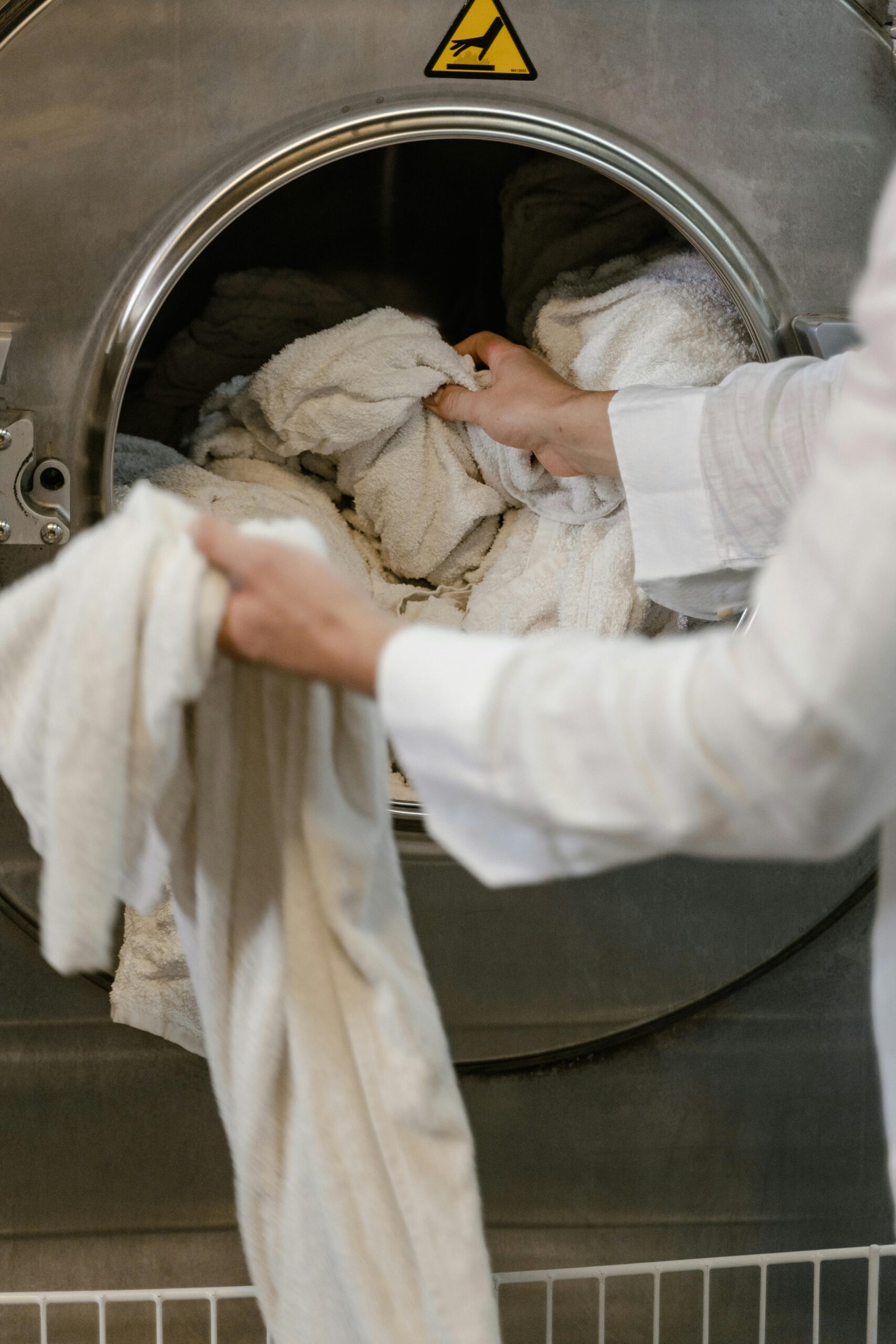
Wash and dry all dirty laundry.
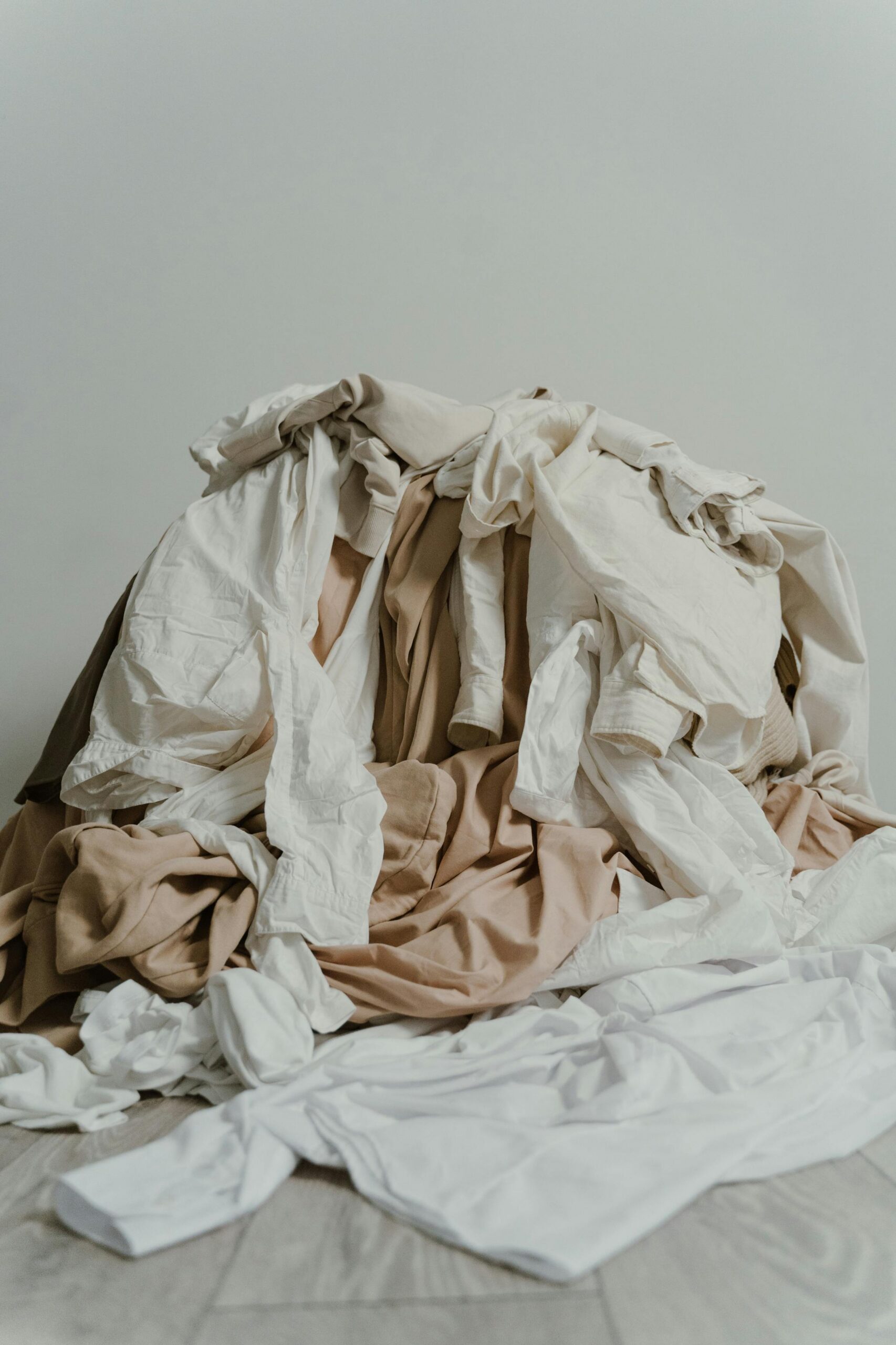
Wash and dry any items you believe could have been exposed to bed bugs, particularly clothing that may have been on a floor or stacked near furniture.
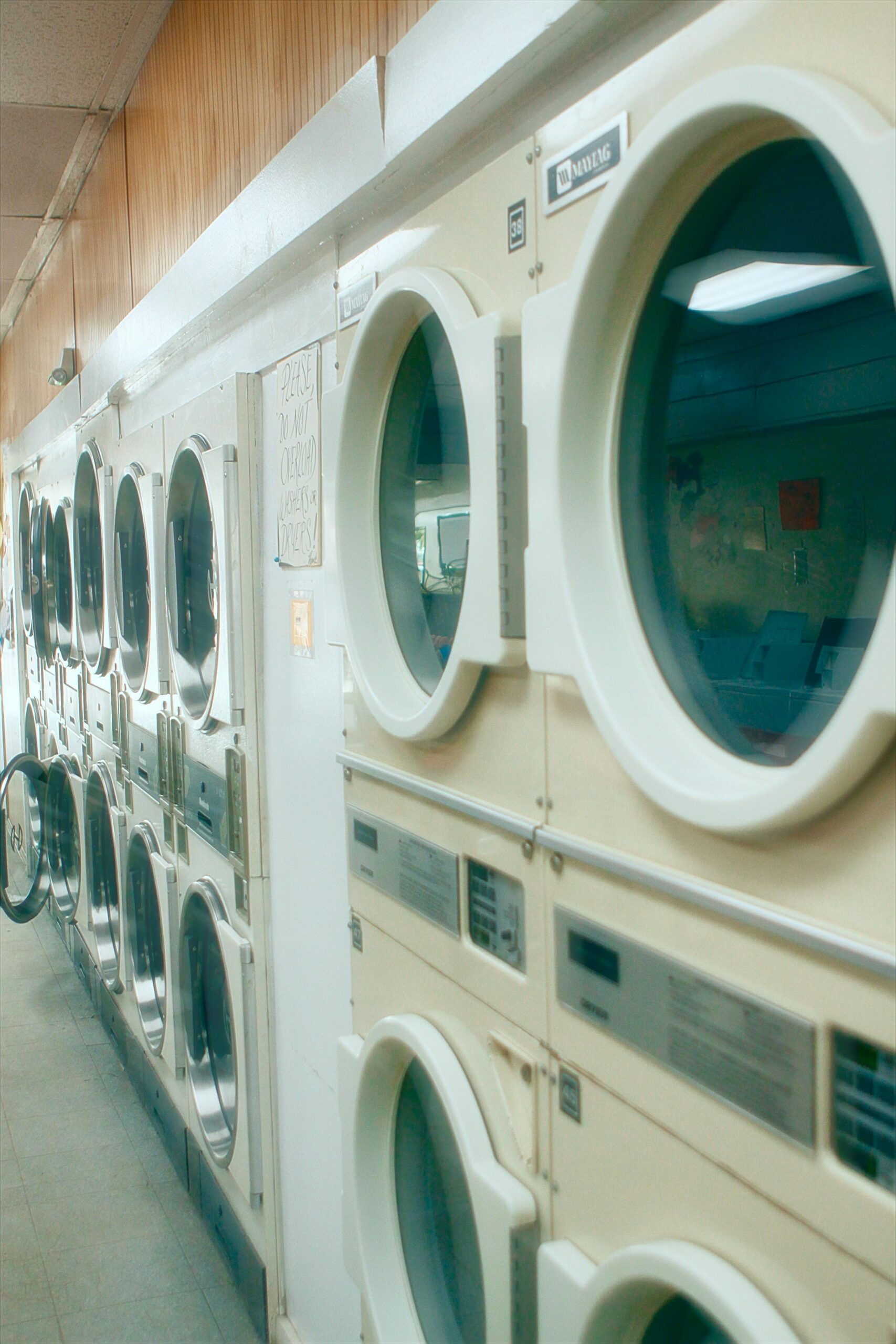
Run all clean items from your dressers and closets through a 30-minute dryer cycle on high heat.
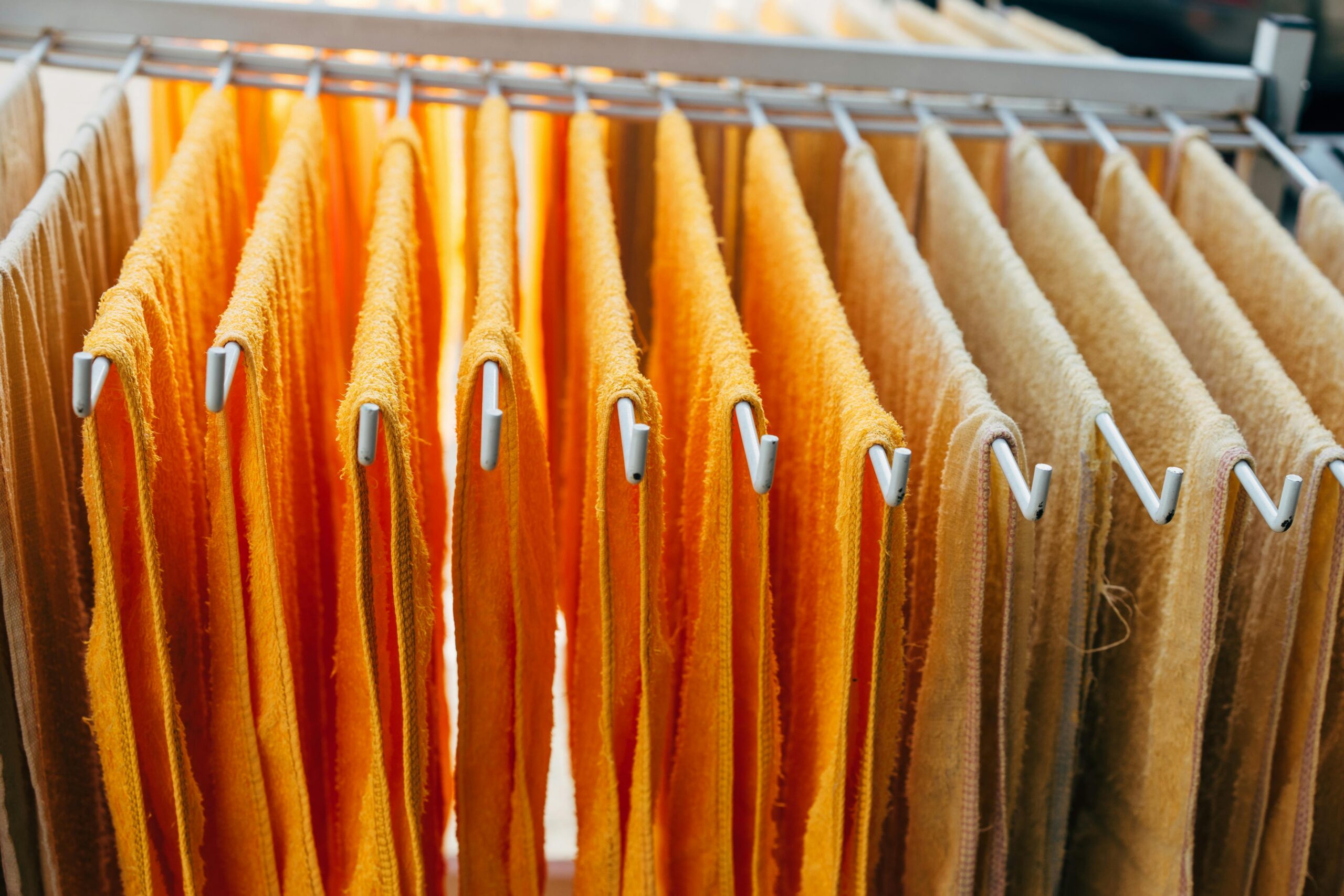
Clothing that can’t be laundered should be taken to the dry cleaners.
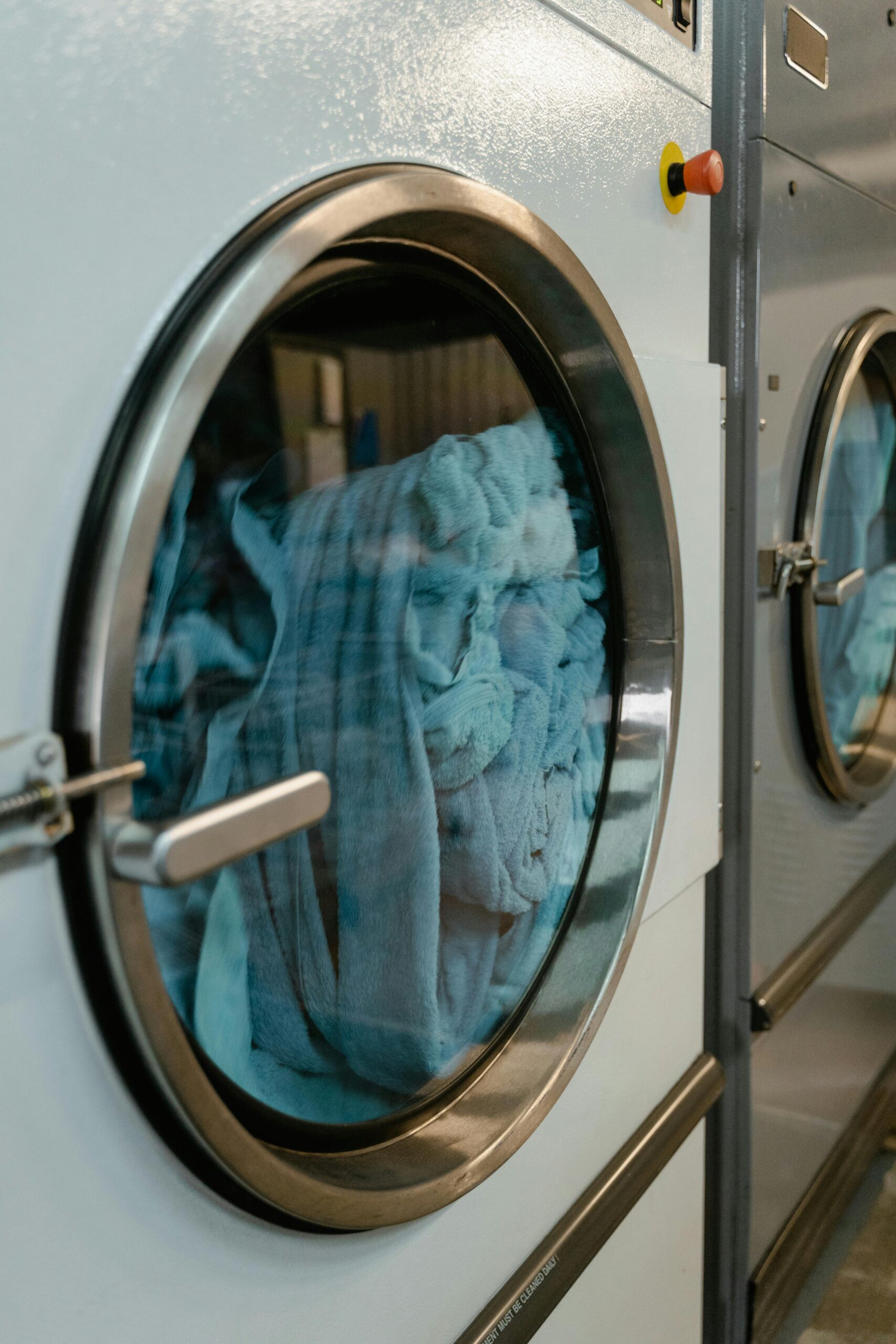
Run non-washable, dry-able items through one dryer cycle on high heat. Discard lint trap debris promptly.
Tempore incidunt omnis quidem eius
Esse error quam dolore nesciunt ut nemo quae illo fuga voluptatibus tenetur et dignissimos soluta.
Organizing
A tidy environment is required for a successful treatment. Homes that have excess clutter will not be treated. Please perform the following organizational steps.

Pull furniture two feet away from your walls. Do not move furniture between rooms as it may spread the problem.
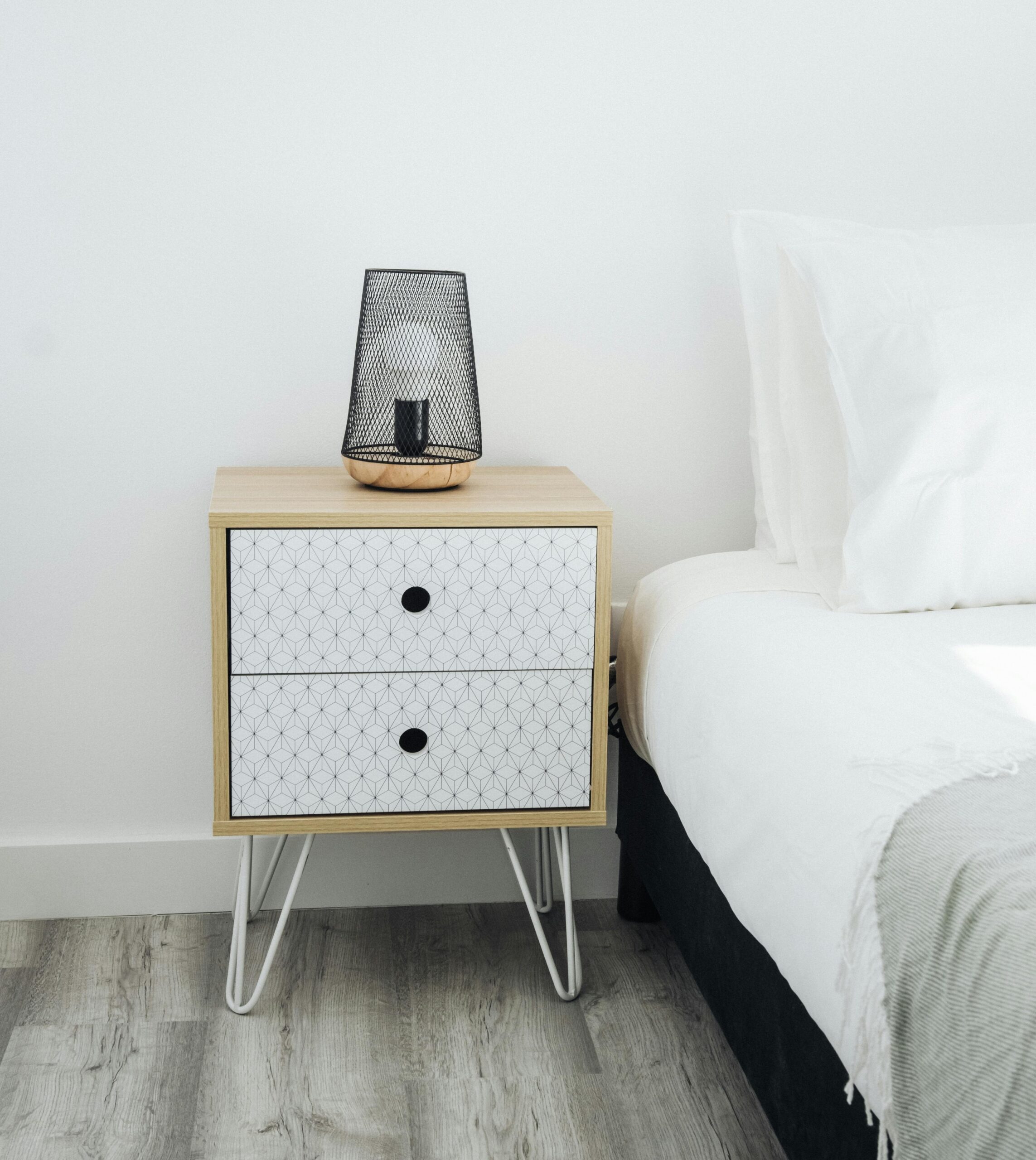
Empty desks, nightstands, and drawers. Put all contents in plastic bags/containers in the center of the living room.
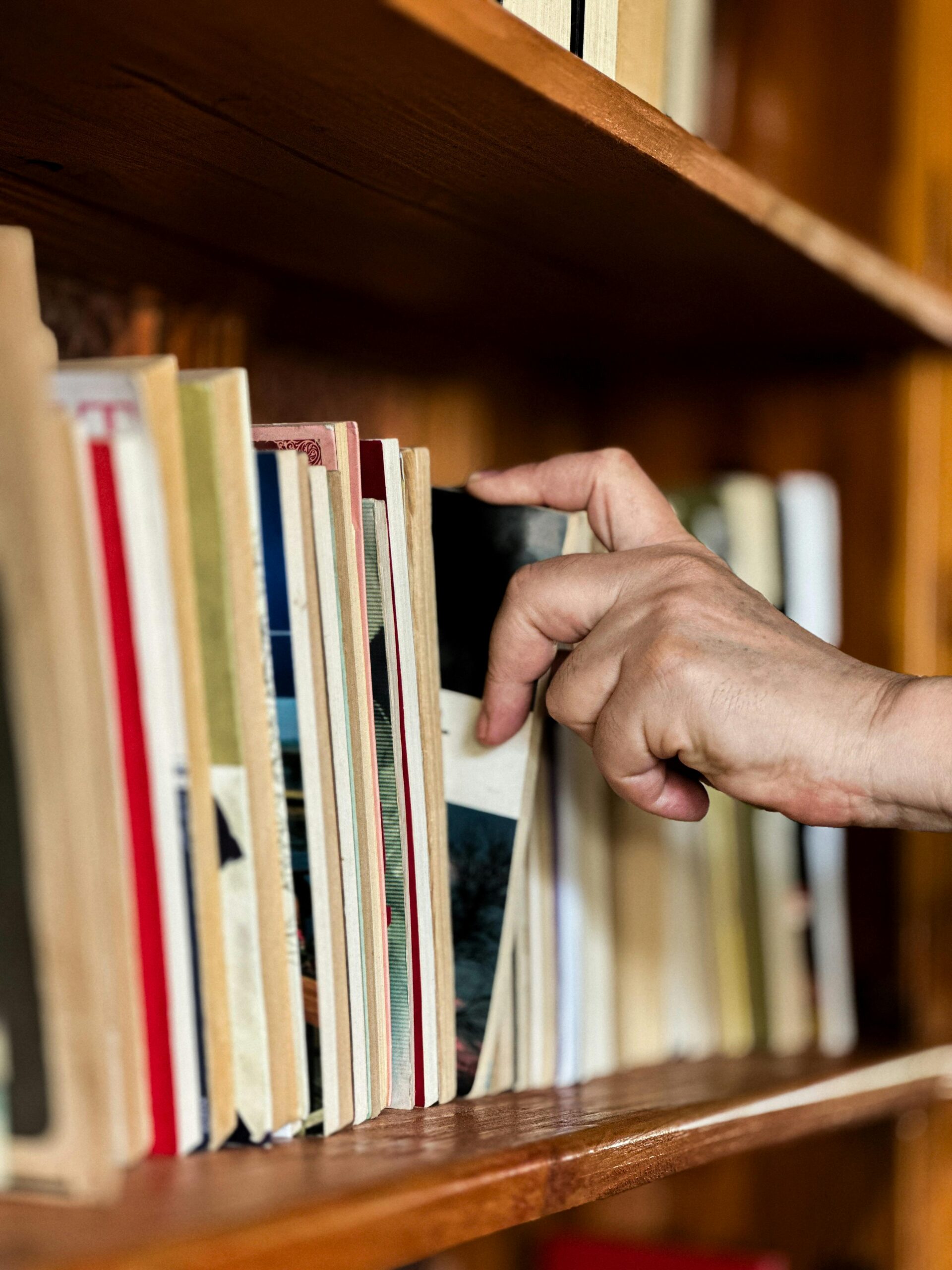
Empty bookcases. Place books in sealed boxes or containers in the center of the living room.
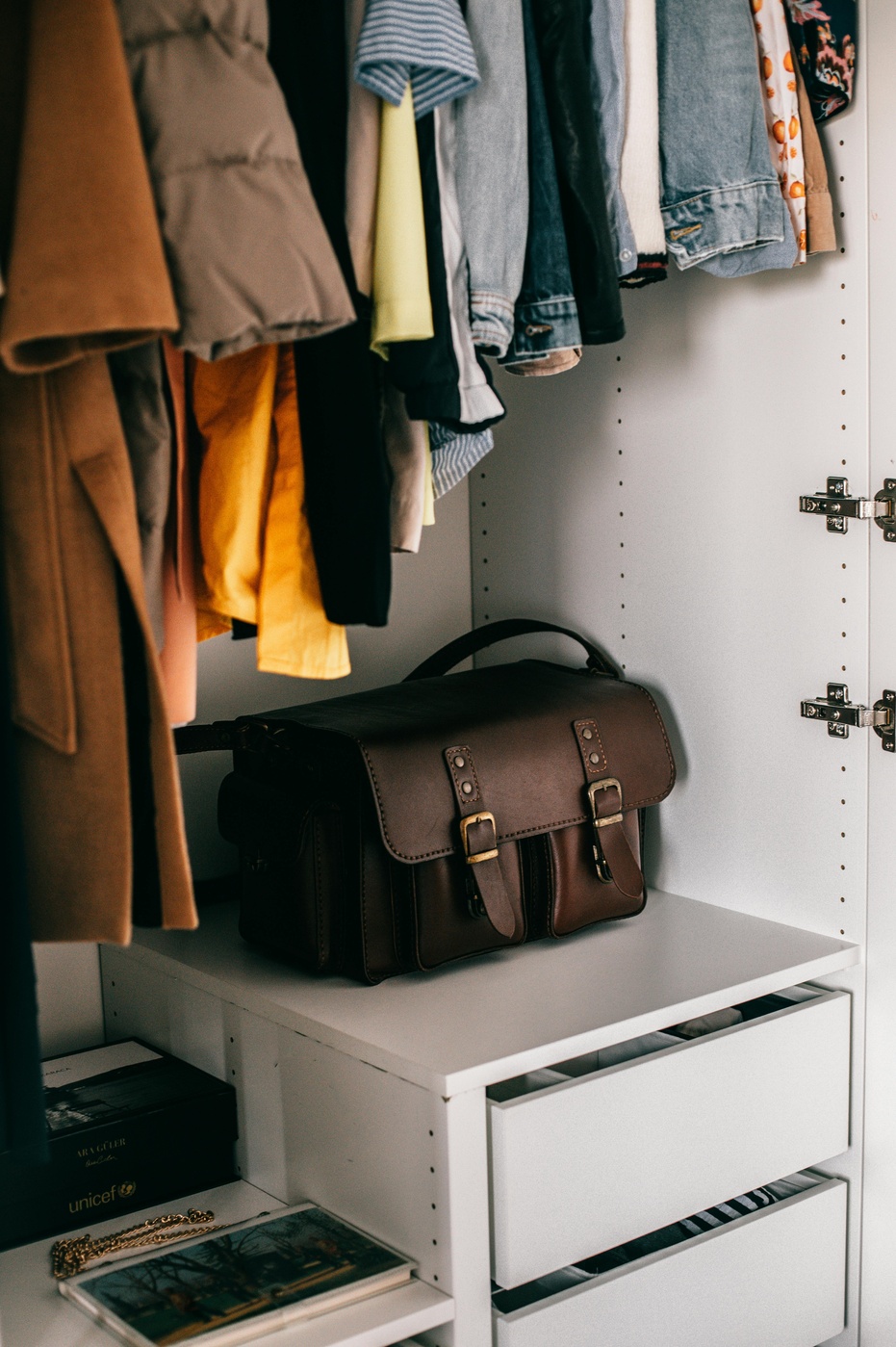
Empty closet contents and place them neatly in the center of the living room.
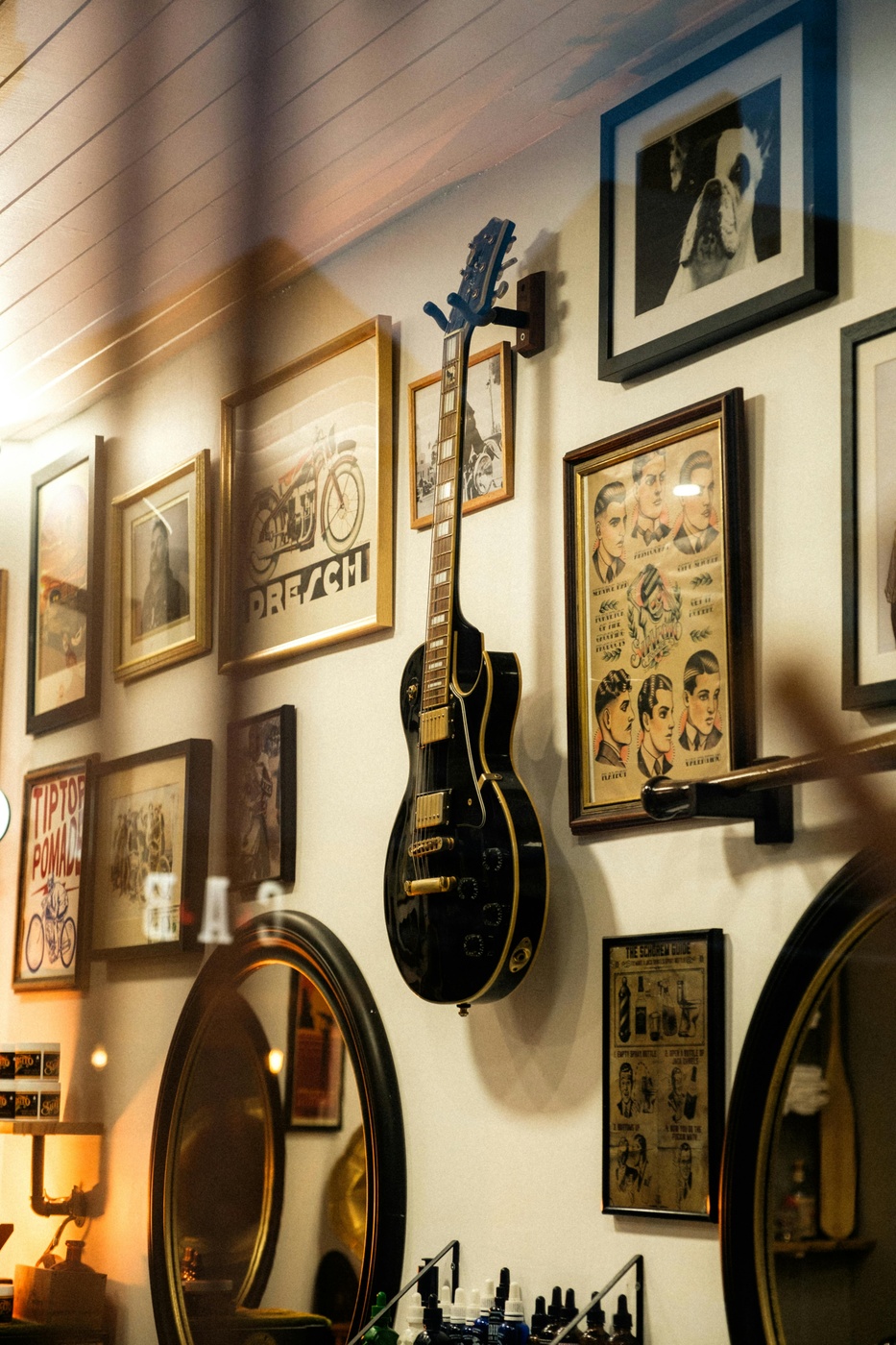
Remove all hanging items from your walls so they may be inspected for treatment.

If you have items in sealed containers, they may remain unopened.
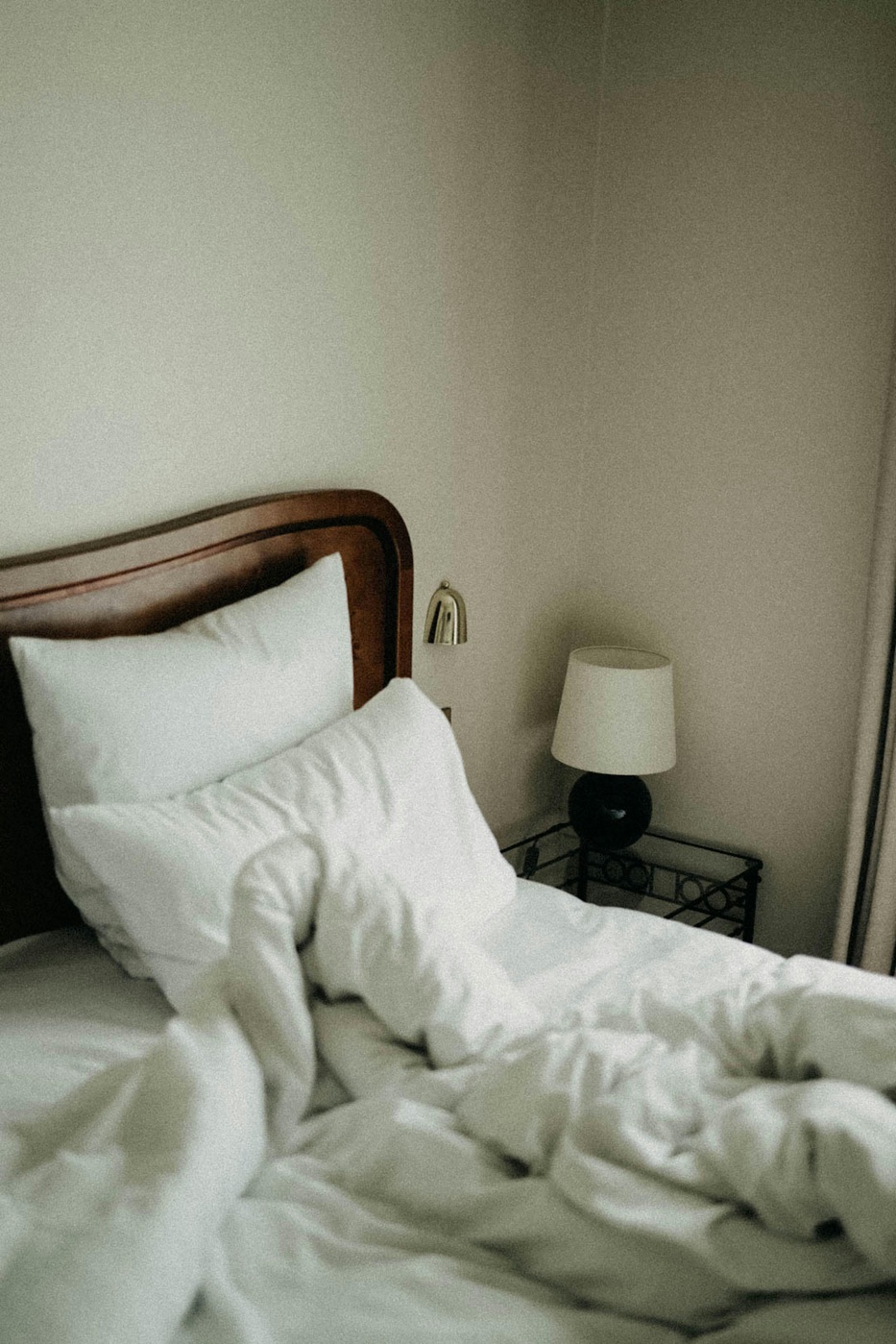
Remove all sheets and belongings from the bed and box spring, and ensure they are vacuumed.

Open sleeper sofas, futons, or convertible beds.
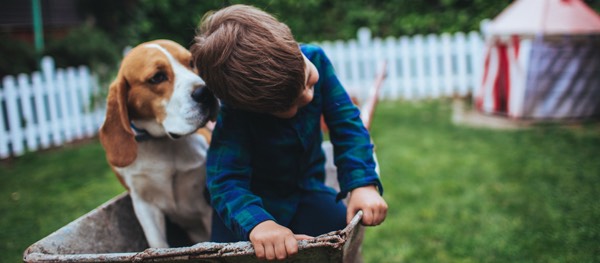
Remove all children’s and pet toys and any other items that children or animals can put in their mouths.
Disposal of furniture
We do not recommend that you dispose of mattresses, box springs, beds, or other furniture items. This is an unnecessary step, and it will not help to eliminate your infestation; in fact, it could spread the infestation further.
Do not move furniture between rooms as it may spread the problem.
If you are inclined to throw items away, please deface or damage them, and tightly wrap them in plastic before transport so your infestation does not spread.
Treatment | What to expect
- We ask that you stay out of the residence for four hours after treatment. This will allow the materials used during the treatment to dry completely before you return.
- Dogs, cats, hamsters, reptiles, and birds should be removed for the duration of the treatment, plus four hours after to allow the treatment to settle. Fish tanks should be covered, and aerators must be turned off. Any open pet food should be discarded.
- Most treatments are followed by another treatment in two to three weeks. Keep this in mind, and leave as many items as you can where they are after your initial treatment. This will save you time and energy.
Frequently Asked Questions
At American Pest, we apply the methods of Integrated Pest Management, which puts an emphasis on green pest control technologies before the use of limited and targeted chemical products.
Contact Us Today!
Do you need an estimate for service or have questions about pests? We’d love to hear from you!
Fill out the form and receive feedback today. For immediate service, please give us a call!