Preparation: Rodent Treatment
Proper preparation is the key to getting great results from your rodent
treatment. If you have any questions about an item listed below, don’t hesitate
to ask for clarification. We’re here to help.
It is necessary that the residents or property management company provide
technicians with full access to your home for treatment. If you’re not available,
please make arrangements for this access to be granted.
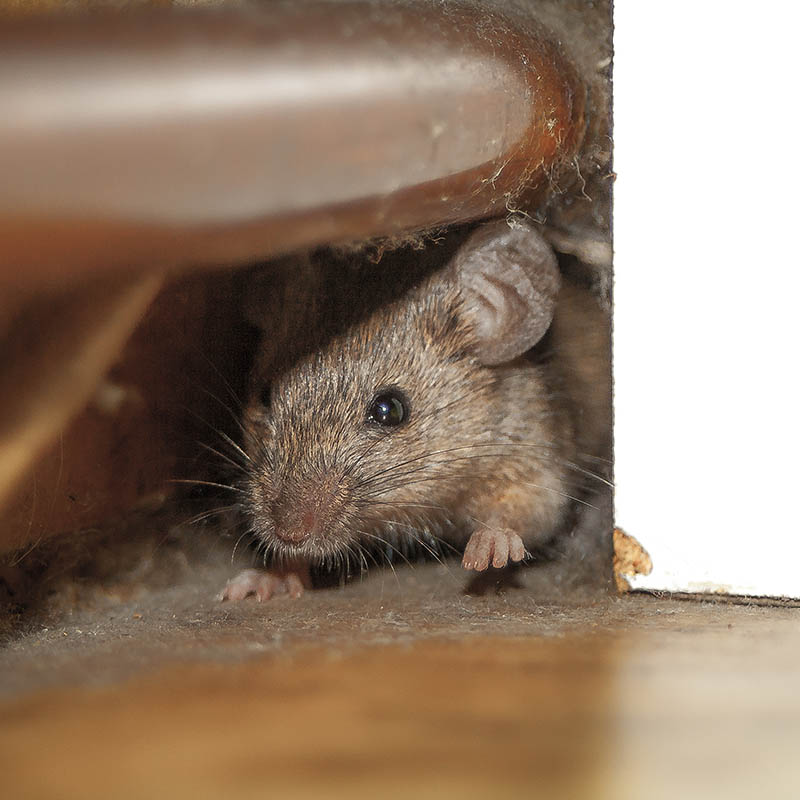
Preparation Steps Prior To Treatment

1. Clean Kitchen & Bathrooms
Your kitchen and bathroom are
areas your technician will focus on. Please clean them and remove
any clutter.
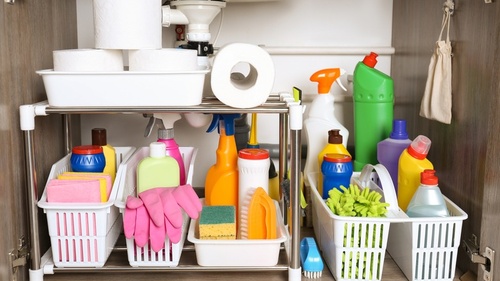
2. Clear Under Kitchen Sink
Your technician will need to inspect inside and around your cabinets. Please remove all items from lower kitchen cabinets, drawers, and, specifically, the area beneath your kitchen sink.

3. Clear Under Bathroom Sinks
Your technician will need to inspect in and around your bathroom sink. Remove all items from under any
bathroom sinks.
4. Store Items From Cabinets
Temporarily store items from
kitchen and bathroom cabinets in
another room.

5. Remove Garbage & Recycling
Remove all garbage and recycling
from the residence.
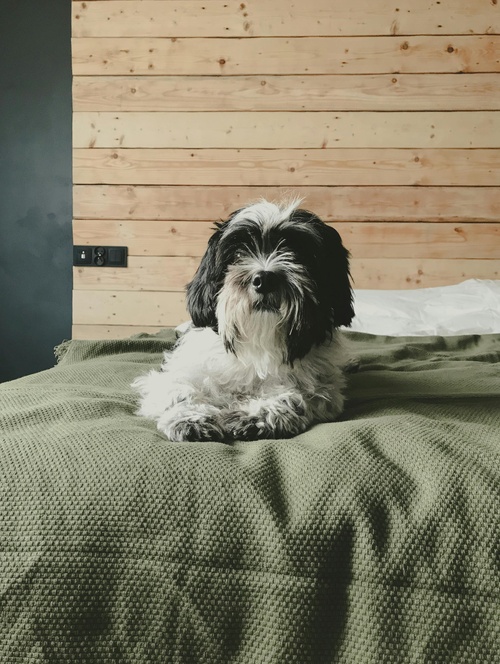
6. Seclude Pets
Place pets in a room with a door that
is away from treatment areas or
remove them from the residence on
the day of treatment.

7. Clear Closet Floors of Clutter
Keeping items off the floor of your closets is a way to prevent clutter(which rodents love) and will also give your technican the ability to identify any entry points and place traps if needed.
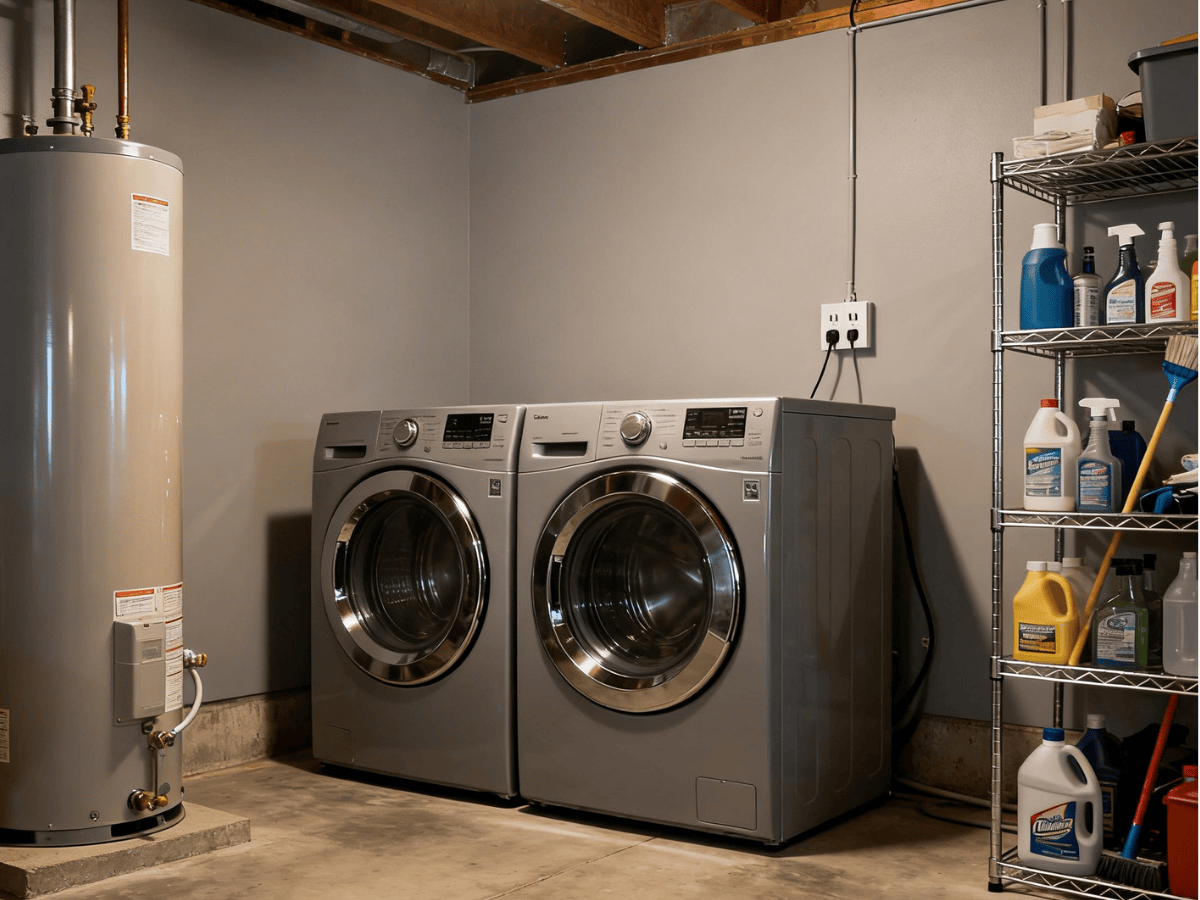
8. Ensure Garage & Utility Rooms Are Accessible
Technicians will likely need to inspect behind utilities for activity and/or entry points. Make sure these areas aren’t blocked.
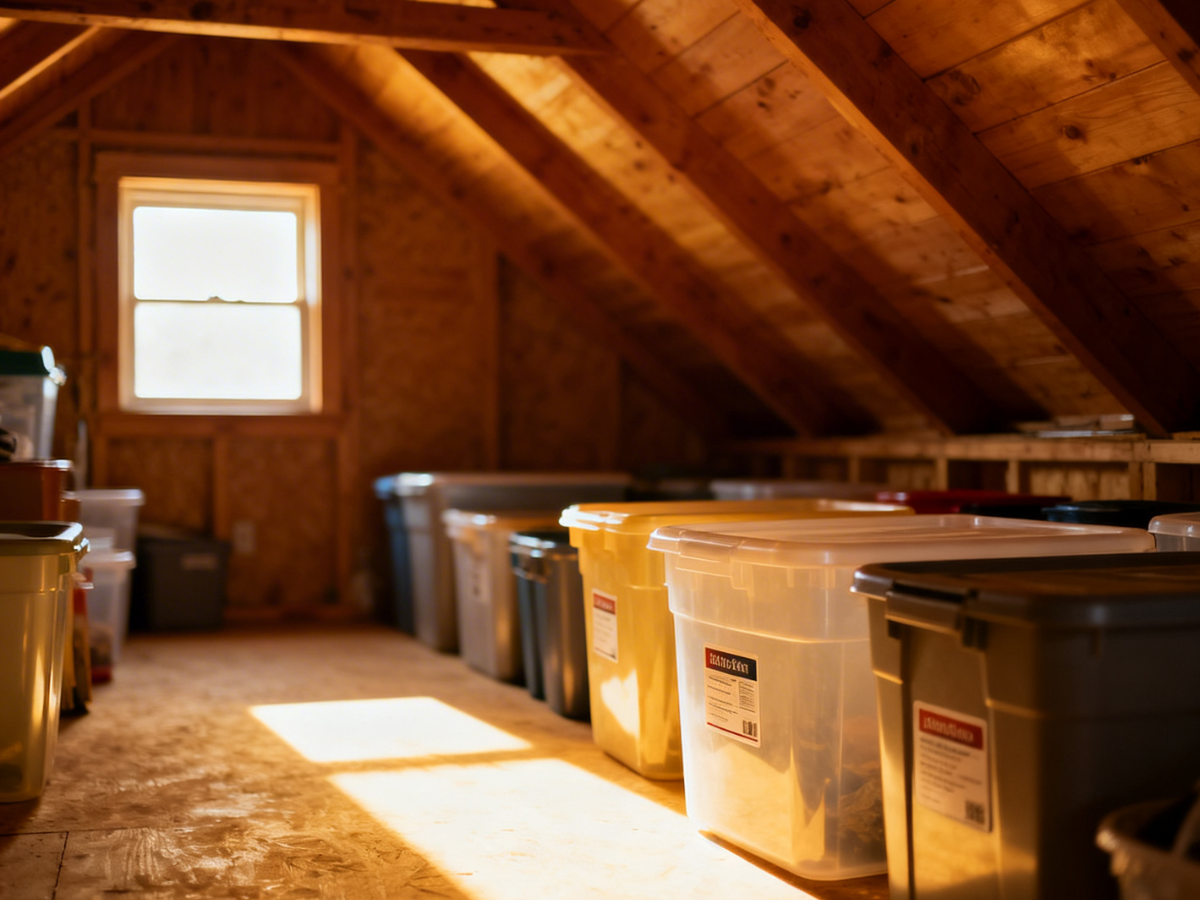
9. Ensure Attics & Crawl Spaces Are Accessible
These areas are common entry points for rodents and other pests; accessibility is helpful.
Note: For safety reasons, technicians can only enter finished attics with flooring (plywood only doesn’t count). Unfinished attics can only be inspected from the entryway
What To Expect During Treatment
- You should receive notification 1 day prior to your service with a 7-6 time window. If a smaller arrival window is needed, please call us at 301-232-5845.
- Upon arrival your technicians will inspect both the interior and exterior for entry points.
- They’ll likely ask and pay special attention to any areas where you’ve reported any activity. Be sure that these areas are easily accessible.
- Your technicians will report any findings and provide treatment recommendations.
- Upon your approval, technicians will begin the treatment process. Followup appointments may be necessary.
Post-Treatment | What to expect
- You should receive information from your technician’s notes following the service. If you have signed up for our customer portal, you should also see this information there.
If you aren’t seeing this email, please check your junk folder and allow up to1-2 business days before calling to request it be sent manually. - Please do not touch or disturb any traps, monitors, or stations following the service, as these have been strategically placed by our pest professionals.
- Please be persistent with cleaning and any recommendations you received from your technician to maximize the success of your service.
- Please note that it is possible and normal to see a temporary increase in activity within 7-10 days of treatment, while the materials take effect. If you are still not satisfied with the results after 10 days, please contact our office for the recommended next steps.
Frequently Asked Questions
We may use a combination of rodenticides, trapping devices, and monitors to treat your property. All of these products have been registered and EPA-approved, and our technicians are trained to follow the product label requirements. For details regarding any specific products that may have been used during your service, please reference your service notes and/or visit our SDS and labels page.
Each home will have a unique treatment plan, and rodent behavior can vary from home to home. Please be patient and allow our pest professionals to use their expertise to find the best solution.
Please note that it is not unusual to see a temporary increase in activity within 7-10 days of treatment. If you are still not satisfied with the results after 10 days, please contact our office for recommended next steps.
Rats and mice have long been documented as carriers of serious disease and parasites like fleas and ticks. Some of the diseases carried by them are:
- Lymphocytic choriomeningitis, or LCM – A viral infection that can cause fever, malaise, lack of appetite, muscle aches, headache, nausea, and vomiting.
- Salmonellosis – A bacterial infection that can cause diarrhea, fever, and abdominal cramps.
- Mycoplasma – A type of bacteria which is known to cause respiratory problems and pneumonia.
- Leptospirosis – A bacterial disease that can cause high fever, severe headache, chills, muscle aches, and vomiting.
- Dysentery – A gastrointestinal disorder that causes abdominal pain and cramps.
- Hantavirus – A virus that can develop from airborne or surface contact with dried rodent urine, droppings, or soliva. It causes serious and sometimes fatal infections.
Rats and mice can also contaminate food and inflict significant damage to residential and commercial properties.
Rats and mice are tenacious pests, and it is not always feasible or possible to prevent them from invading your property. Filling any cracks, holes, and possible entrances in basements and walls can keep the risk of infestation by rats and mice to a minimum. For more information about our rodent control services, please contact American Pest using the form below or giving us a call today!
Contact Us Today!
Do you need an estimate for service or have questions about pests? We’d love to hear from you!
Fill out the form and receive feedback today. For immediate service, please give us a call!