Understanding the Lifecycle of Carpenter Bees
What Is the Life Cycle of a Carpenter Bee?
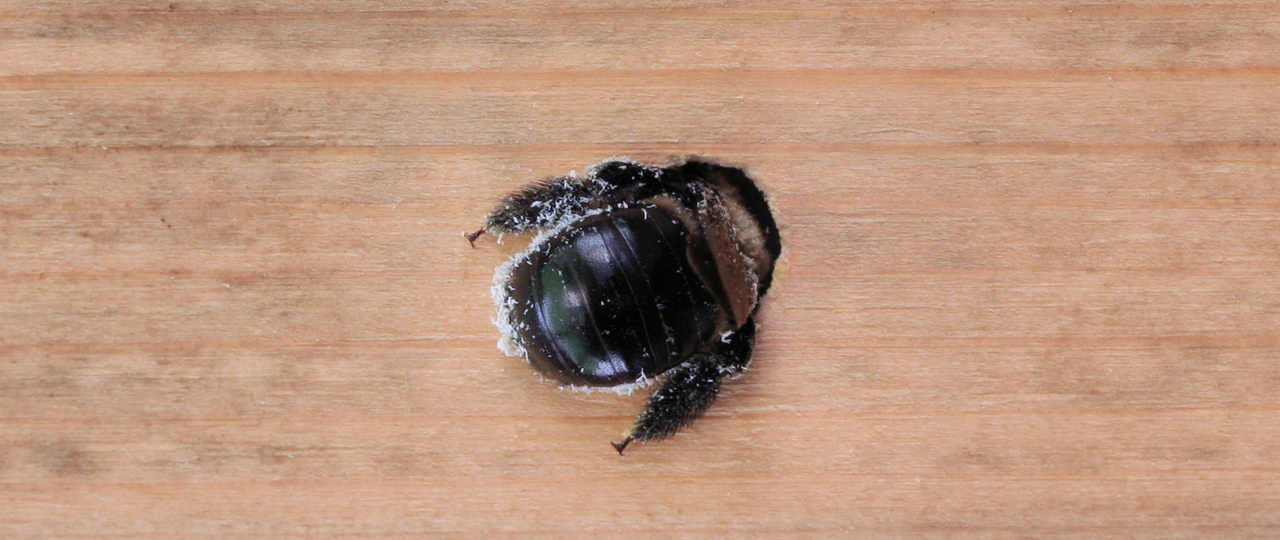
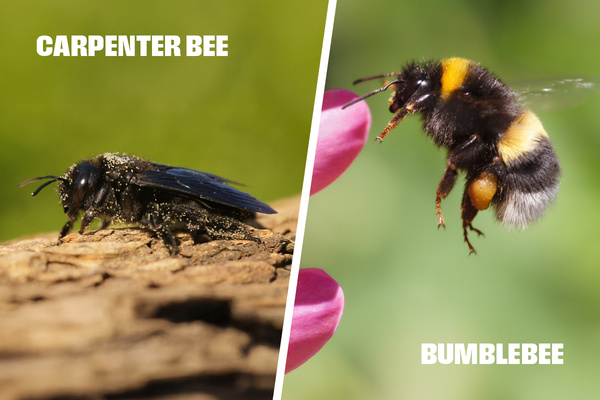
Carpenter bees are large, solitary bees that resemble bumblebees but are shiny and lack the dense, fuzzy hair covering. Instead of nesting in hives, females excavate smooth tunnels in unpainted or weathered wood, such as deck railings, fascia boards, and siding. There, they lay eggs and pack each cell with a pollen-nectar mix (“bee bread”) to feed their young. While beneficial pollinators, carpenter bee nesting habits can create holes that attract other animals that may damage wooden structures, such as woodpeckers.
Carpenter bees undergo complete metamorphosis—egg, larva, pupa, and adult—over roughly one year. By understanding the life cycle of a carpenter bee, you can schedule treatments at the most vulnerable points and protect your home or business before costly repairs become necessary.
From Egg to Larva: The Early Stages
It all begins when a female carpenter bee chews a tunnel 0.5 inches long in wood and lays her eggs inside. Carpenter bee eggs and larvae remain hidden deep within wooden galleries, feeding on the pollen-nectar provisions their mother left behind. Although you can’t see them directly, the placement and number of exit holes outside provide clues as to how many brood chambers lie within. Catching an infestation during these early stages, before larvae pupate, lets you treat existing tunnels and prevent the next generation from emerging.
Egg Stage (3–5 days)
- What’s happening: In early spring, as temperatures climb into the 60s–70s °F, overwintered adults (those who survived the winter months) emerge and mate; then females bore new galleries. Each egg rests on a pollen-nectar pack and hatches in about three to five days.
- Why it matters: This narrow spring window is the only time new eggs are present; intervening now stops the entire brood before feeding begins.
Early Larval Stage (Weeks 1–3)
- What’s happening: Hatchlings consume the pollen-nectar mix, shedding exoskeletons as they grow rapidly within their sealed cells.
- Why it matters: Active feeding contributes to wood deterioration; more grub activity means ongoing tunneling inside the wood..
Late Larval Stage (Weeks 4–6)
- What’s happening: Fully grown carpenter bee larvae reach several times their original size. Deep-cell larvae mature first to keep exit paths clear for siblings.
- Why it matters: Heavy larval feeding increases sawdust (frass) output. Spotting fresh, large frass piles helps you estimate how extensive the infestation is.
Pre-Pupal Transition (Weeks 7–8)
- What’s happening: After about six weeks of feeding, larvae spin silken cocoons and enter the pupal stage inside their galleries.
- Why it matters: Once inside the pupa, they’re shielded from most control measures—so treatments must occur before this transition.
Contact Us Today
If you have questions about our services, plans, or pricing, we are here for you. Call or fill out the form to communicate by email.
When and How to Treat for Carpenter Bees
Armed with life cycle insights, you can protect your property by targeting carpenter bees at their most vulnerable points. Treatments fall into two key timeframes: early spring, when bees are still inside their winter tunnels; and mid-summer, after new adults emerge but before they drill fresh galleries.
Optimal Treatment Timing
- First Spring Treatment (April–May): As soon as you spot the initial boreholes and buzzing activity, an experienced professional can apply an insecticidal dust into each tunnel. Don’t seal the holes yet; allow adult bees to pass freely, picking up dust on their bodies and carrying it deep into the galleries. Applying varnish or paint on untreated wood can prevent additional bores.
- Mid-Summer Follow-Up (July–August): Treat again once new adults emerge. This second application catches any bees that escaped or didn’t contact the dust in spring.
- Early-Fall Final Touch (September–October): A third dusting targets any late-season or overwintering bees still sheltering in tunnels. After this last treatment, seal all holes with wood putty or tightly fitted wooden dowels.
Natural & DIY Options
- Manual Removal: For small infestations, gently probe old tunnels with a thin wire to remove debris and larvae, then seal the hole.
- Seal and Restore: After applying your chosen treatment, fill unused tunnels with wood putty or exterior-grade caulk to block reuse.
- Protective Coatings: Fresh paint or varnish on bare wood can discourage bees from boring new tunnels, though finishes will need reapplication over time.
Professional Carpenter Bee Services
When boreholes persist or infestations cover multiple areas, American Pest’s specialists offer:
- Targeted Treatments: Professional-grade dusts and sprays injected directly into active tunnels for deeper, more effective reach.
- Seasonal Check-Ins: Spring, mid-summer, and early-fall visits aligned with the bees’ life stages ensure ongoing protection.
By matching your control measures to the carpenter bee’s life cycle, you’ll reduce repeat applications, minimize chemical use, and stop small boreholes from turning into major repairs.
Key Signs You Have a Carpenter Bee Problem
A quick walk around your property looking for these tell-tale signs will confirm if you have a carpenter bee infestation and whether it’s time to try a DIY fix or call in the pros.
- Round Boreholes (3⁄8–½″): Perfectly circular openings in wood siding, eaves or deck railings.
- Fresh Sawdust (Frass): Light, sawdust-like debris directly beneath each hole means active boring.
- Buzzing Sounds: A steady drone at or near wood surfaces—especially on warm days—signals adults entering and exiting tunnels.
- Woodpecker Peck Marks: Birds peck at galleries to eat larvae, leaving additional damage around existing tunnels.
Spotting any of these, especially in clusters, means you’ve likely got an active carpenter bee infestation.
Need Help with Carpenter Bees? Contact American Pest
Every fresh borehole has the potential to chip away at your property’s wood integrity. Delay treatment and you risk extensive, costly damage. American Pest offers comprehensive stinging insect and carpenter bee treatment designed around the bees’ life cycle, halting ongoing damage and preventing future nesting.
- Thorough Inspection: We identify active galleries, abandoned tunnels, and vulnerable wood surfaces across your entire property.
- Life Cycle-Timed Treatments: Our technicians apply EPA-approved dusts and sprays at just the right stages—early spring and mid-summer—to eliminate both resting adults and newly emerging bees.
- Seasonal Monitoring Visits: Scheduled follow-up checks ensure no new galleries pop up.
Protect your home or business with a targeted carpenter bee plan. Request your free estimate today and let American Pest keep your wood surfaces carpenter-bee-free every season.
Related Posts
Contact Us Today!
Do you need an estimate for service or have questions about pests? We’d love to hear from you!
Fill out the form and receive feedback today. For immediate service, please give us a call!