Why Professional Bed Bug Treatment Works Better Than DIY
Table of Contents
The Big Takeaways:
- DIY bed bug treatment may tackle surface signs but misses deep harborages and can push bed bugs into new rooms, making the infestation harder to eliminate.
- Home heat treatment, sprays, dusts, bagging, and quick laundry cycles leave eggs to rebound.
- Professional bed bug treatment includes inspection, targeted application, and scheduled follow-ups for safer, lasting results.
Understanding Bed Bugs and Where They Come From
Anyone can bring bed bugs home. They hitchhike in luggage, on clothing after trips and on secondhand or rental furniture, as well as move between units in multi-family buildings through walls and hallways. Bed bugs spread via everyday travel and belongings, so introductions can happen in any home regardless of cleanliness.
Once inside, bed bugs settle close to where people rest and sit, in hard-to-see cracks and crevices within mattress seams, box spring voids, bed frames and headboards, the folds of upholstered furniture, baseboards, behind picture frames, and more.
Once established, bed bug infestations spread quickly because they hide well, feed at night, and reproduce quickly. These habits make infestations hard to spot, and, because common over-the-counter sprays and surface treatments can disperse bed bugs instead of treating them, stopping infestations with DIY methods is not recommended and can actually make them more difficult to eliminate.
Recognizing the Early Warning Signs
It often starts small. A few dark flecks on the sheets. An itchy rash or small pattern of bites. A tiny shell caught in a mattress seam. The early signs of bed bugs are easy to miss, so knowing where to check and what to look for is important. Here’s how to spot bed bug signs quickly and with confidence.
Where to check for bed bugs:
- Mattress seams and piping, box spring edges, and the tag or label area
- Bed frame joints, headboards, and screw holes
- The folds and underside of nearby chairs or couches
- Baseboards, the backs of picture frames, and cracks where the bed meets the wall
Signs of bed bugs to look for in your home or business:
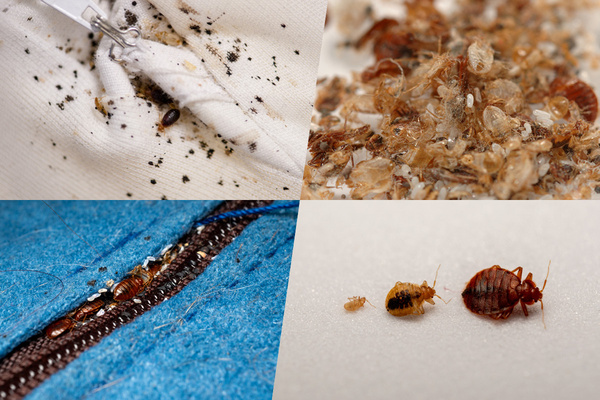
- Fecal spots: tiny dark dots or smears on sheets, seams, or wood. They may streak brownish when lightly moistened
- Staining: small rust-colored flecks from crushed bugs on sheets or along seams
- Shed skins: thin, papery, translucent shells in seams, corners, and along frame joints
- Eggs and eggshells: pinhead-size, white to off-white, often in clusters near hiding spots
- Live insects: adults are about the size of an apple seed, flat and reddish brown; nymphs are smaller and pale, turning darker after feeding
Signs of bed bug bites:
- Small, itchy welts that often show up in lines or clusters on exposed skin like arms, legs, neck, or shoulders
- A light, patchy rash or localized redness around bite sites that can appear hours to a day later
Of course, reactions to bed bug bites vary by person and can be delayed, so it’s important to confirm with the visual signs above rather than relying on bites alone. While bed bugs do not transmit diseases, it’s important to seek medical advice if you are concerned about a bed bug bite reaction.
If you spot several indicators in one area, avoid moving furniture between rooms, note exact locations, take clear photos, and contact a pest professional.
The Pitfalls of DIY Bed Bug Treatment
Most DIY efforts focus on what you can see. Quick fixes may address surface signs, but they don’t reach the source and can even spread infestations.
- Sprays, foggers, and dusts. These products coat visible surfaces, but don’t reach tight cracks and small holes where bed bugs hide. Many over-the-counter sprays repel on contact, driving bugs into nearby furniture and rooms; and heavy dusting spreads material where it isn’t needed and still misses deep harborages.
- DIY “hot boxes.” Space heaters, hair dryers, and portable chambers create hot and cool zones. To effectively treat bed bugs, heat must be even and held long enough inside rooms and belongings to kill all bed bug life stages. Uneven heat leaves survivors, and the process overall can damage items or create safety risks.
- Laundry and bagging. If the wash or dryer isn’t hot or long enough, eggs can survive in seams and folds. Bagging limits movement through the home, but items still need proper treatment before they go back into rooms. As a precaution after travel, bagging and laundering suspect items can reduce the chance of bringing bed bugs home; it is not a solution for an active infestation.
- Alcohol and home solvents. These liquids are flammable, evaporate quickly, and don’t reach the hidden areas where bed bugs thrive.
- Traps, encasements, and interceptors. While useful for catching and monitoring bed bugs in the short term, they won’t clear an established infestation without thorough inspection and targeted treatment.
- Furniture relocation. Moving mattresses or sofas to another room spreads the infestation and bed bug activity, and makes the infestation harder to treat.
For lasting results, skip DIY methods, and enlist professional bed bug treatment.
Contact Us Today
If you have questions about our services, plans, or pricing, we are here for you. Call or fill out the form to communicate by email.
Why Professional Services Deliver Real Results
Where DIY methods skim the surface, professional bed bug treatment reaches the source and keeps it from coming back. Instead of a generic, one-size-fits-all approach, professional technicians start with a full inspection and build a plan that fits your rooms and level of activity.
Professional bed bug services rely on advanced tools and methods aimed at complete elimination. That includes bed bug origin identification; precise, targeted applications with professional-grade, EPA-approved products; and scheduled follow-ups to confirm results and help prevent reinfestation. Encasements may be recommended to remove key hiding spots based on the inspection. In some areas, heat treatments may also be available; ask when you schedule.
The process is designed to protect families, employees, and pets while reaching the spots home remedies miss.
Choosing American Pest for Lasting Protection
Eliminating bed bugs is a specialized process. American Pest combines careful inspections, proven heat or conventional treatments, and clear communication so you know what to expect before, during, and after service. Plus, ongoing prevention guidance and tips help lower the chance of reintroductions after travel, holidays, or a move. Schedule a professional bed bug inspection with American Pest and get clear next steps and treatment options designed for lasting results.
Related Posts
Contact Us Today!
Do you need an estimate for service or have questions about pests? We’d love to hear from you!
Fill out the form and receive feedback today. For immediate service, please give us a call!