Most Common Bugs and Pests in the Bedroom in Maryland, DC, & Virginia
Your bedroom should be a place to rest—not a refuge for pests.
Key Takeaways
- Common bedroom pests include bed bugs, fleas, ants, moths, carpet beetles, and spiders, which thrive in warm, soft environments.
- To prevent bedroom pests, keep your space clean and clutter-free, avoid eating in bed, and inspect luggage after travel.
- Sealing cracks and washing fabrics regularly can reduce entry points and food sources for pests.
- American Pest offers professional pest control solutions for fast and discreet relief from bedroom pests.
Bedrooms offer warmth, fabrics, and the steady presence of people and pets—creating an ideal environment for several common pests. While bed bugs top the list, you may also encounter fleas, ants, moths, carpet beetles, or even spiders, depending on conditions inside the room. Because these pests hide well in soft materials and tight cracks, infestations often go unnoticed until they become serious.
American Pest helps homeowners across Maryland, DC, and Virginia identify and eliminate bedroom pests quickly, safely, and discreetly.
Common Bedroom Pests
Bed Bugs
The most notorious bedroom pest, bed bugs feed on humans while they sleep and hide in seams, bedding, furniture, and even behind baseboards. They spread easily through travel, secondhand items, and shared spaces—making quick action essential.
Fleas
If pets spend time in the bedroom, fleas may follow. These pests hide in bedding, rugs, and upholstered furniture, causing itchy bites and discomfort for both people and animals.
Ants & Cockroaches
Snacks in bed or crumbs on nightstands can draw ants or roaches indoors. Even small traces of food or moisture can support a hidden infestation.
Clothes Moths & Carpet Beetles
Closets provide dark, undisturbed areas that are perfect for fabric-eating pests. These insects feed on natural fibers, quietly damaging clothing, blankets, and linens before you notice the problem.
Spiders
While not typically harmful, spiders may appear when other insect activity is present—they’re often a sign that another pest is providing a steady food source.
Why Bedroom Pests Thrive
- Clutter offers hiding spots
- Soft furnishings hold warmth and moisture
- Clothing and linens provide food for fabric pests
- Pets introduce fleas
- Travel introduces bed bugs
- Snacks or spills support ants and roaches
Understanding the conditions that attract pests helps you take proactive steps to protect your space.
How to Prevent Bedroom Pests
Keep Bedrooms Clean & Clutter-Free
Reduce hiding places by organizing closets, limiting stored items under the bed, and maintaining a tidy environment.
Avoid Eating in Bed
Crumbs, wrappers, and spills can draw ants, roaches, and other opportunistic pests.
Inspect Luggage After Travel
Bed bugs frequently hitchhike. Always check your suitcase, clothing, and personal items before bringing them inside.
Seal Cracks and Gaps
Close off entry points around windows, baseboards, outlets, and closets to reduce pathways for insects.
Wash Fabrics Regularly
Launder bedding, sheets, and clothing often to limit food sources for fabric pests and reduce their ability to establish themselves.
Professional Bedroom Pest Control You Can Trust
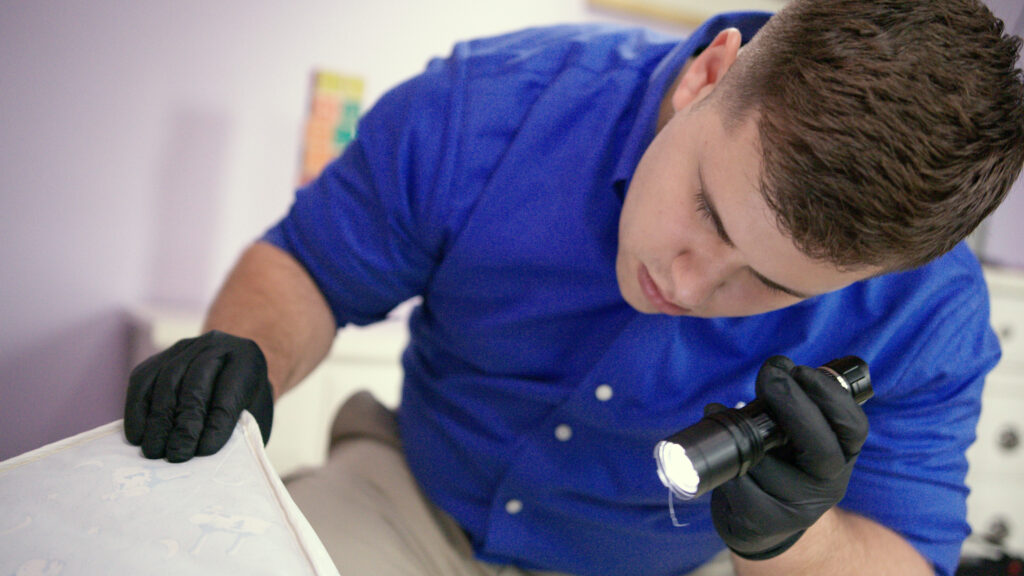
Whether you’re dealing with bed bugs, fleas, ants, or fabric-damaging insects, American Pest delivers fast, discreet, and effective relief. Our licensed specialists use science-backed treatments and thorough inspections to find the root cause—not just the symptoms.
Choose American Pest for a Cleaner, Restful Bedroom
From fabric-damaging moths to sleep-disrupting bed bugs, pests in the bedroom require careful, targeted treatment. Our trained specialists know how to identify hidden activity, eliminate the source, and protect the spaces where you rest, store clothing, and spend the most time.
Let our local experts restore comfort, safety, and peace of mind—so your bedroom stays the relaxing retreat it’s meant to be.

Resources
Contact Us Today!
Do you need an estimate for service or have questions about pests? We’d love to hear from you!
Fill out the form and receive feedback today. For immediate service, please give us a call!