Why Cockroaches Keep Coming Back After You Spray
The Big Takeaways
- Spraying for cockroaches may only take care of visible roaches, while hidden roaches and egg cases survive and can restart the infestation.
- Many sprays act as repellents, which can scatter roaches into new hiding spots and make the problem harder to control.
- Lasting control usually requires a professional inspection, treatment, plus follow-up visits supported by sanitation and moisture control.
Why Cockroaches Keep Coming Back After You Spray
Spraying for cockroaches is often the first step people take after spotting one in the kitchen or bathroom. The spray promises fast results, and initially, it may seem effective. A few roaches are gone, activity appears lower, and the problem feels manageable. In many cases, however, this improvement is short-lived and does not address the underlying infestation.
This pattern is common in homes and businesses throughout Maryland, Virginia, and Washington, D.C. Cockroaches are persistent pests, and their survival strategies allow infestations to rebound after basic treatments. Understanding what happens after you spray for roaches, along with where do cockroaches hide, helps explain why store-bought products rarely resolve the issue.
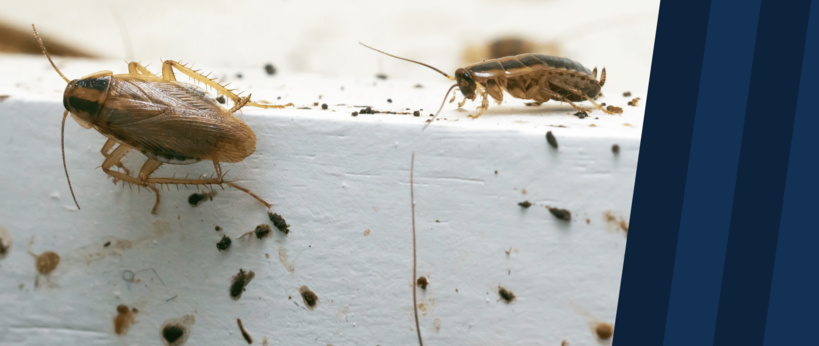
Different species behave in slightly different ways, but the outcome is often the same. German Cockroaches, American Cockroaches, and Oriental Cockroaches all rely on hidden harborages and rapid reproduction to outlast surface-level treatments.
The Difference Between Surface Activity and the Real Infestation
Most over-the-counter sprays are designed to kill roaches you can see. That is only a small portion of the infestation. Visible roaches represent a fraction of the total population, especially with German cockroaches, which tend to stay close to nesting areas.
Cockroaches spend most of their time in protected spaces such as wall voids, behind appliances, inside cabinets, and around plumbing lines. Cockroach egg cases can be well shielded in these areas. Many sprays do not reach these areas or penetrate egg cases (oothecae), allowing the population to persist despite treatment.
Sprays can also change roach behavior in ways that complicate control. Many consumer products work as irritants or repellents. When applied, they may cause roaches to scatter from established harborages into new rooms, new wall cavities, or neighboring units. This can create multiple infestations instead of one contained problem.
Another issue involves how prior do-it-yourself treatments can interfere with professional service. Repellent sprays applied near bait placements may reduce bait acceptance by driving roaches away from treated areas. This can limit how well professional products perform and may require additional time to fully resolve the infestation.
Understanding Cockroach Behavior and Hiding Habits
Cockroaches survive by staying hidden. They prefer dark, tight, enclosed spaces where their bodies can touch surfaces on multiple sides. This behavior, known as thigmotaxis, is one reason sprays often miss the source of the infestation.
Most cockroach activity happens at night. Daytime sightings usually signal a larger population that has outgrown its hiding spaces. This applies across species, including American cockroaches and Oriental cockroaches, which may be more noticeable as infestations develop.
A lasting pest control strategy must account for these behaviors. Surface treatments alone rarely align with how cockroaches live and reproduce.
Cockroach behavior at a glance
| What you’re noticing | What it usually means | Why DIY Roach Spray Doesn’t Work |
| Roaches disappear after spraying, then return | Hidden roaches and egg cases remain active | Sprays target exposed roaches, not those in wall voids, cabinets, or appliance gaps |
| You see roaches during the day | Crowding forces roaches out of hiding, increasing sightings | The infestation is often well established, and DIY treatments will make it worse |
| Activity is mostly at night | Typical cockroach behavior, but infestation is progressing | The true population size is often underestimated |
| Roaches show up in new rooms after treatment | Repellents may have scattered them and caused infestation to spread | Irritants push roaches into new hiding areas, and you likely have multiple infestations. DIY treatments will continue to make it worse |
| Roaches cluster in tight cracks and crevices | Thigmotaxis is driving harborage selection | Surface sprays rarely reach enclosed spaces |
| Ongoing kitchen or bathroom activity | Food and moisture support survival | Conditions allow roaches to persist even after spraying. Pest professionals will be able to treat and provide recommendations. |
Contact Us Today
If you have questions about our services, plans, or pricing, we are here for you. Call or fill out the form to communicate by email.
Where Do Cockroaches Hide in Your Home?
When people ask, “Where do cockroaches hide?”, the answer is usually in areas that are difficult to access. Common cockroach hiding spots include:
- Behind refrigerators and dishwashers
- Under sinks and around plumbing penetrations
- Inside cabinets and drawers, especially corners and hinges
- Wall voids and gaps along baseboards
- Beneath kitchen islands and breakfast bar areas
These locations often go untouched by surface sprays, allowing infestations to persist, spread, or rebound. Professional inspections focus on these areas, using monitoring tools and targeted applications to address activity where it actually occurs.
Recognizing Early Cockroach Infestation Signs

Early identification helps limit spread and contamination risks. Common cockroach infestation signs include:
- Droppings that resemble black pepper or coffee grounds
- Egg casings (oothecae) in cabinets, drawers, or under sinks
- A musty or oily odor in affected areas
- Nighttime sightings when lights are turned on
- Daytime sightings, which often indicate a developed infestation
Professional inspections help determine activity levels and identify which species is present. American Pest professionals are trained to assess conditions and apply the right strategy from the start.
Why Cockroach Resilience Requires Professional Treatment
Cockroaches are resilient creatures, which is a core reason spraying fails to deliver lasting results. Roaches adapt to basic treatments, reproduce quickly, and survive under harsh conditions. A single egg case can contain 30 to 40 nymphs and only take about 28-60 days to hatch. Roaches can survive up to a month without food, though they typically last only about a week without water.
German cockroaches reproduce rapidly indoors, while American and Oriental cockroaches often rely on moisture-rich areas such as basements, crawl spaces, and utility rooms. Each species requires an approach based on its habits and preferred environments.
Licensed pest professionals use targeted baiting, insect growth regulators, and scheduled follow-up visits designed for sustainable control. These methods focus on eliminating hidden populations and disrupting reproduction, rather than reacting to individual sightings.
DIY methods often interfere with this process. Repellent sprays can reduce bait effectiveness, scatter populations, and extend treatment timelines.
Sanitation and moisture control are also important. Even with proper treatment, cockroaches may continue to return if food residue, clutter, or standing water remains available. Addressing these conditions supports treatment efforts and limits what roaches need to survive.
Professional Help Stops the Cycle
Cockroach infestations rarely resolve with a single spray. They require inspection, planning, and treatment based on how roaches behave and where they hide.
If roaches keep coming back and you are questioning what happens after you spray for roaches, it is often a sign the infestation is established in hidden areas. Professional service targets those zones, manages reproduction, and supports long-term cockroach control through proper treatment.
Contact American Pest today to schedule an inspection and get a treatment plan that targets cockroach hiding spots, disrupts reproduction, and helps stop roaches from coming back.
Related Posts
Contact Us Today!
Do you need an estimate for service or have questions about pests? We’d love to hear from you!
Fill out the form and receive feedback today. For immediate service, please give us a call!