The Damage Carpet Beetles Cause to Rugs, Clothing, and Furniture
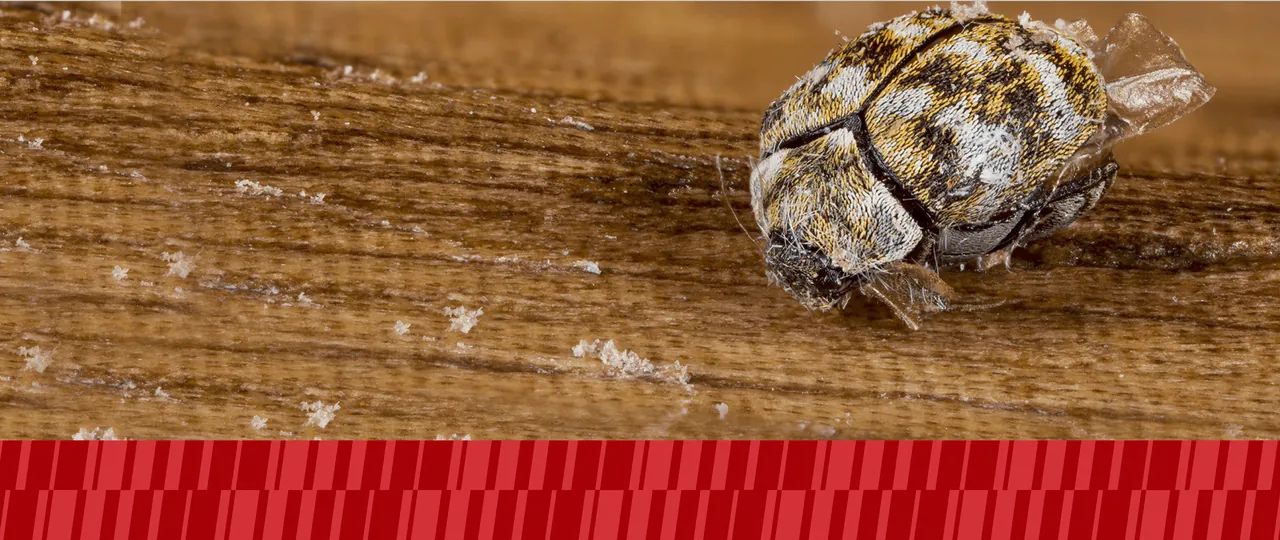
Table of Contents
The Big Takeaways
- Carpet beetle damage is caused by larvae feeding on natural fibers and often develops without immediate signs.
- Rugs, upholstered furniture, and stored clothing are frequent targets during a carpet beetle infestation in the home.
- Professional inspection is needed to identify hidden activity and prevent continued fabric loss.
Carpet beetle damage is a common but often misunderstood problem inside residential properties. While adult carpet beetles may be noticed near windows or light sources, they are not responsible for fabric destruction. Damage occurs during the larval stage, when immature carpet beetles feed on materials that contain natural fibers or organic debris.
A carpet beetle infestation in the home usually begins when adult beetles enter from outside. Entry points may include gaps around doors, windows, vents, or utility openings. Once inside, adult females search for protected areas close to food sources to lay eggs. These locations are typically dark, undisturbed spaces such as closets, beneath furniture, along baseboards, or inside stored items.
Eggs hatch into larvae that immediately begin feeding. Larvae avoid light and remain close to their food source, which keeps activity hidden. Feeding occurs slowly over time, and damage builds gradually. Because larvae do not move openly throughout the home, infestations can expand without being noticed.
Homes with a mix of carpeting, upholstered furniture, stored textiles, and pet hair often provide favorable conditions. American Pest frequently finds that infestations have been active for weeks or months before damage draws attention.
Carpet Beetle Rug Damage and Why Area Rugs and Carpeting Are Often Affected
Carpet beetle rug damage is one of the most frequently reported signs of an infestation. Area rugs and wall-to-wall carpeting are common targets because they offer both food and shelter for developing carpet beetle larvae. Rugs made from wool, silk, or blends containing natural fibers are especially vulnerable.
Larvae feed along the surface or underside of rugs, often close to walls or beneath furniture, where disturbance is minimal. Damage may not follow a straight line or uniform pattern. Instead, it often appears as thinning areas, irregular bare spots, or patches where fibers have been chewed away.
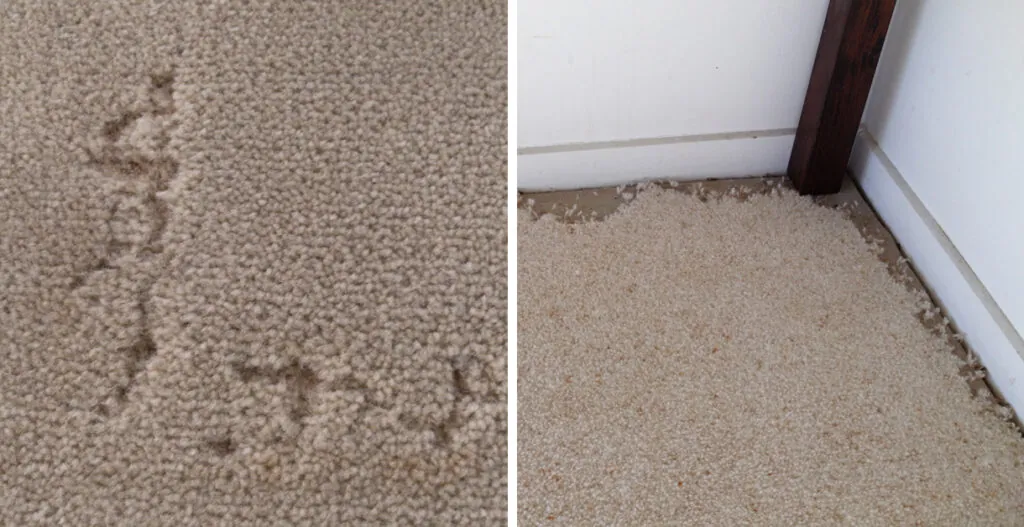
Carpet beetle rug damage often develops in overlooked locations, including:
- Edges of rugs that sit against baseboards
- Areas beneath couches, beds, or heavy furniture
- Rugs stored in low-traffic rooms or seasonal spaces
- Carpeting along walls where vacuuming is less frequent
Because larvae stay close to the rug fibers they are feeding on, damage may remain localized and hard to notice at first. Over time, activity can spread as beetles complete their life cycle and lay eggs in nearby areas. By the time visible deterioration is noticed, larvae may already be present in multiple sections of the home.
Contact Us Today
If you have questions about our services, plans, or pricing, we are here for you. Call or fill out the form to communicate by email.
Carpet Beetle Fabric Damage in Furniture, Upholstery, and Decorative Textiles
Carpet beetle fabric damage is not limited to flooring. Upholstered furniture and decorative textiles provide ideal feeding conditions for larvae, particularly when materials are rarely moved or cleaned. Sofas, chairs, ottomans, and headboards often contain natural fibers, padding, or debris that supports feeding.
Larvae frequently target seams, folds, and hidden areas where fabric meets padding or framing. Damage may appear as thinning fabric, small holes, or worn patches that are mistaken for normal wear. Decorative items such as throw pillows, blankets, wall hangings, and fabric lampshades may also be affected.
Furniture placed near windows or exterior walls is sometimes impacted first, since adult beetles are often drawn to light and may enter nearby. Once eggs are laid, larvae can remain hidden within the furniture structure, feeding out of sight.
Carpet beetle fabric damage can spread quietly throughout living spaces, especially in rooms with multiple upholstered items. Without a professional inspection, the source of activity may remain active even if damaged items are removed.
Carpet Beetle Clothing Damage in Closets, Drawers, and Storage Spaces
Carpet beetle clothing damage is often discovered suddenly, even though activity may have been present for an extended period. Closets, drawers, and storage containers provide dark, undisturbed environments that are ideal for egg laying and larval feeding.
Natural-fiber clothing such as wool sweaters, silk garments, cotton blends, and leather accessories are common targets. Larvae are attracted not only to the fabric itself but also to body oils, sweat, and organic residue left behind after wear.
Common signs of carpet beetle clothing damage include:
- Irregular holes or thinning areas in garments
- Damage concentrated along seams, cuffs, or folds
- Shed larval skins found on shelves or closet floors
- Damage to items that have not been worn recently
Because larvae feed slowly, clothing damage may be limited to a few items at first. As activity continues, additional garments in the same space may become affected. Stored clothing that appears clean and undisturbed can still support feeding, especially when packed tightly or left untouched for long periods.
Closets connected to bedrooms, hallways, or storage rooms can support continued spread. American Pest often finds carpet beetle activity extending beyond a single closet, affecting multiple storage areas throughout the home.
Why Carpet Beetle Damage Often Goes Unnoticed Until It’s Too Late
Carpet beetle damage often goes unnoticed because it is frequently misattributed to normal wear, age, or poor storage conditions rather than pest activity. Thinning fabric, loose fibers, or small holes are commonly blamed on use or handling, especially when damage appears in older rugs, furniture, or seasonal clothing.
Another factor is that damage does not appear where people expect pest activity. Feeding often occurs beneath furniture, inside cushions, along carpet edges, or within stored items that are rarely accessed. As a result, deterioration progresses in concealed areas before spreading to more visible surfaces.
Removing or cleaning a damaged item may reduce visible signs without addressing ongoing activity nearby. Eggs and larvae left in surrounding materials allow infestations to persist and spread to additional fabrics over time.
Contact American Pest today for a professional inspection before carpet beetle damage spreads throughout the home. Early detection allows trained experts to locate concealed activity and limit long-term damage to fabrics and furnishings.
Related Posts
Contact Us Today!
Do you need an estimate for service or have questions about pests? We’d love to hear from you!
Fill out the form and receive feedback today. For immediate service, please give us a call!
