Why Crickets Start Showing Up Inside Homes in Late Summer
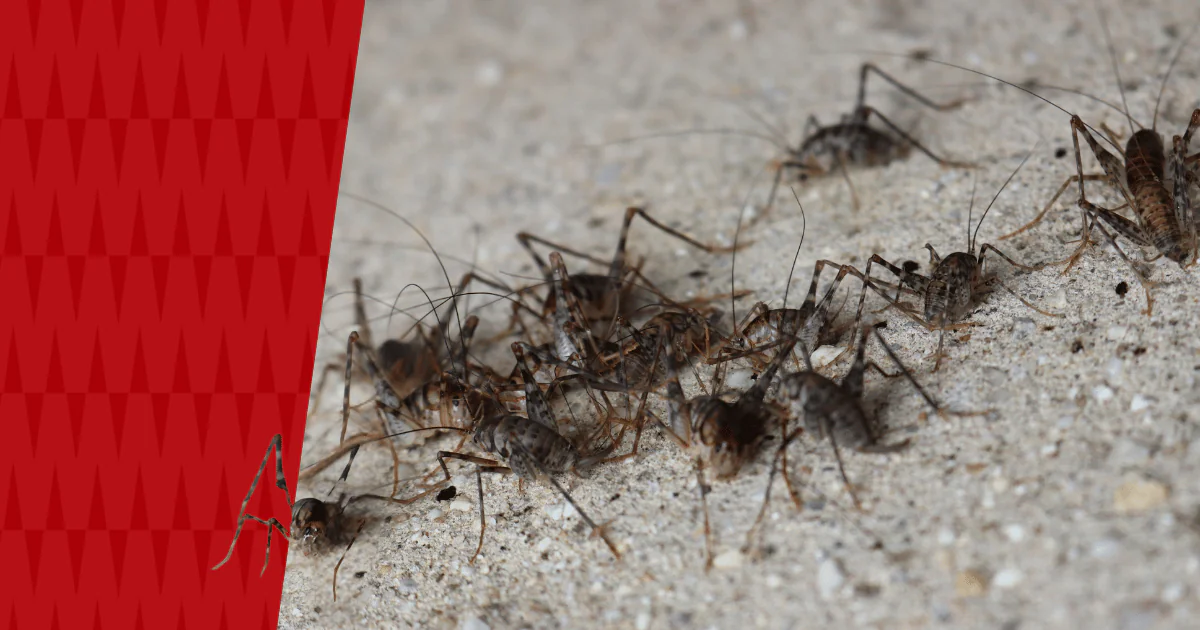
Table of Contents
The Big Takeaways:
- Falling nighttime temperatures and drying vegetation push crickets toward buildings in late summer.
- House crickets, field crickets, and camel crickets behave differently once they get inside, and each needs a different response.
- Basements and crawl spaces stay damp and dark year-round, which makes them the most common indoor cricket hideout.
What Drives Crickets Indoors in Late Summer
Cricket activity indoors in late August and September follows a pattern, and the pattern starts outside. Nighttime temperatures start to dip, the grass and weeds crickets normally live in begin to dry out, and the days get shorter. All three signal the same thing to a cricket: conditions outside are about to get worse.
Ask a pest professional why crickets come inside during this stretch, and the answer may actually start with the thermometer, not the house. Crickets don’t sense a season coming the way people do, but they do respond to the immediate drop in temperature and moisture around them. A structure holds heat and humidity longer than the yard around it, so it becomes the more stable option.
That’s why an uptick in cricket sightings in late summer usually has more to do with what’s happening outside than anything specific about a particular house. A home with tightly sealed doors and a dry foundation can still see crickets arrive if the yard around it dries out fast enough.
The Types of Crickets Homeowners Are Most Likely to Find
Not every chirp in the wall comes from the same insect. Three species account for most indoor cricket activity, and they don’t behave alike.
| Species | Appearance | Preferred Indoor Location | Noise Level | What Draws Them Inside |
| House cricket | Light brown, about 3/4 inch, long antennae | Kitchens, near heat sources | Loud, persistent chirping | Warmth and food debris |
| Field cricket | Dark brown to black, stockier build | Living areas, near doors and windows | Loud chirping, especially at night | Light and open entry points |
| Camel cricket (spider cricket) | Humpbacked, long legs, no wings | Basements, crawl spaces | Silent, no chirping | Dampness and darkness |
Camel crickets stand out because they don’t chirp, which means a homeowner can miss an active population for weeks. Their humped back and long legs also lead people to mistake them for spiders at first glance, hence the nickname.
For a closer look at one of the more startling species, see how spider crickets differ from other house pests.
What Attracts Crickets Inside Your Home
Once outdoor conditions start pushing crickets toward buildings, four factors decide whether a specific home becomes the destination.
Moisture. Damp basements, leaking pipes, and poor drainage around the foundation create the humidity crickets need to survive indoors.
Clutter. Stacked boxes, stored firewood, and piles of yard debris near the house give crickets places to hide and breed undisturbed.
Exterior lighting. Field crickets in particular move toward light. Porch lights, garage lights, and even a bright window left uncovered at night can draw them straight to an entry point.
Warmth. A house holds heat longer than open ground once the temperature drops, and crickets are drawn to that warmth leaking out around doors, vents, and utility openings.
These four conditions rarely act alone. A damp basement with a cluttered corner and a porch light left on all night gives crickets three reasons to move in at once, not just one.
For homes near standing water or after heavy rain, see how rainfall affects pest activity for more on why moisture drives so much of this.
Contact Us Today
If you have questions about our services, plans, or pricing, we are here for you. Call or fill out the form to communicate by email.
Why Crickets in the Basement Are So Common
Basements and crawl spaces combine everything crickets look for: consistent moisture, low light, and clutter that goes untouched for months at a time.
Crickets in basement environments often go undetected longer than crickets elsewhere in a home, especially when the species involved is the camel cricket. Without a chirp to give away their location, a population can grow in a storage area or utility room before anyone notices.
Conditions that tend to draw crickets into a basement include:
- Standing moisture from a sump pump, water heater, or minor leak
- Stacked cardboard boxes or stored paper goods
- Unsealed gaps around foundation vents or utility penetrations
- Low foot traffic, which lets a population grow without disturbance
A basement that stays dry and gets checked periodically is far less likely to develop a cricket problem than one that sits untouched between seasons. Homeowners dealing with a broader set of basement pests can review common pests found in basements and pests that target crawl spaces for a fuller picture.
Signs You Have a Cricket Infestation Rather Than a Single Stray
One cricket that wandered in through an open door is not the same as an infestation, and the two call for different responses.
A single stray usually shows up once, stays quiet, and either dies or gets removed within a day or two. An established population looks different:
- Chirping from more than one location in the house, especially at night
- Chewed fabric, paper, or cardboard, since crickets feed on both
- Shed exoskeletons in corners, closets, or storage areas
- Multiple sightings across different rooms over several days
If any two of these show up together, the situation has likely moved past a single stray. That’s the point where professional cricket control makes more sense than continuing to catch individual insects. Homeowners watching for other seasonal pests around the same time can also check common late fall insect pests to watch for.
Cricket Control and How to Keep Them Out
Cricket control works best when it addresses the conditions drawing crickets in, not just the insects already inside.
Outside the home, that means adjusting exterior lighting to reduce how many crickets get drawn to entry points, managing moisture around the foundation, and clearing debris and clutter within a few feet of the exterior walls. Sealing gaps around doors, windows, and utility penetrations closes off the paths crickets use to get inside in the first place.
DIY traps and sprays can knock back the crickets a homeowner can see, but they rarely change the conditions that brought those crickets to the house. A yard that still dries out every August, or a basement that still holds moisture, will keep sending new crickets toward the same entry points.
A home pest control plan built around ongoing service addresses both sides: treatment for the crickets already present and monitoring for the conditions that draw in more. If chirping at night or unexplained fabric damage has you wondering what’s moving in, contact American Pest to schedule an inspection and get a cricket control plan built around your home.
Related Posts
FAQ
Are Crickets Harmful?
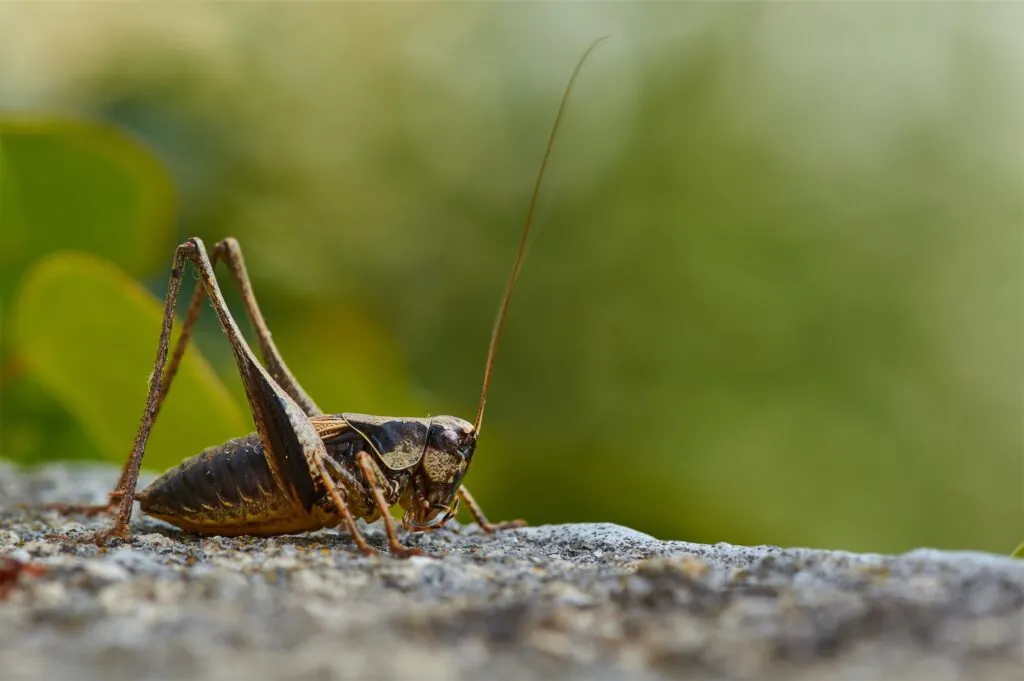
Determining whether or not crickets are harmful really depends on what you define harmful to be. There are three types of cricket commonly found in the…

Education
Spider Crickets: The Bugs You Don’t Want In Your House
As summer temperatures begin to drop and we begin to enjoy the cozy fall temperatures, spider crickets become a common issue for homeowners int he D.C. area.
Education
Cricket Chirps and Temperature
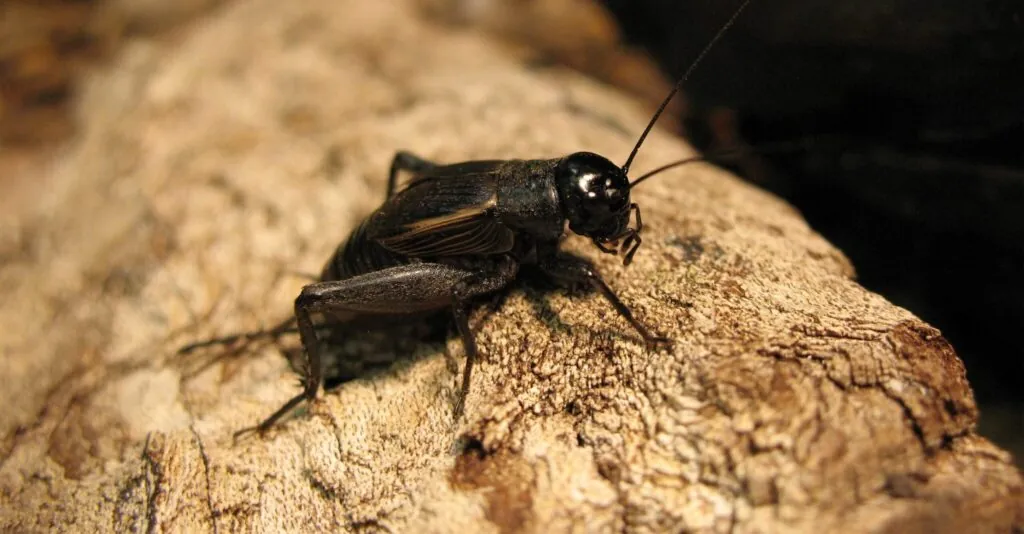
Did you know that you can “count” the number of cricket chirps to get the temperature of your environment without ever looking at a thermometer?
Contact Us Today!
Do you need an estimate for service or have questions about pests? We’d love to hear from you!
Fill out the form and receive feedback today. For immediate service, please give us a call!
