Why Occasional Invaders Return Year After Year
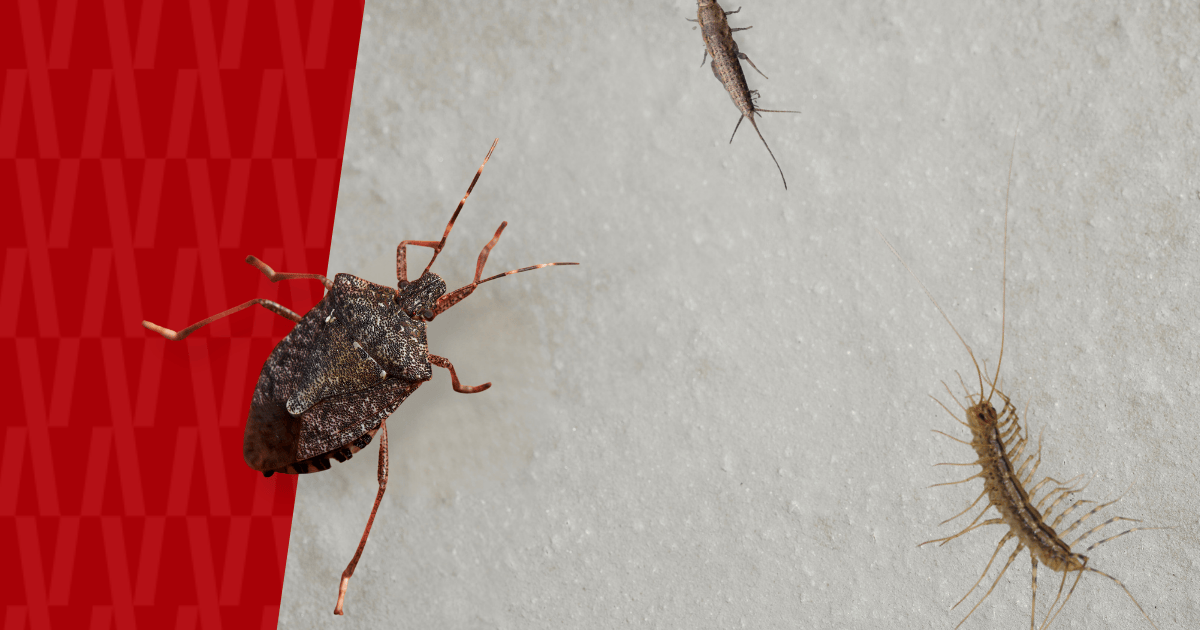
Table of Contents
The Big Takeaways
- An occasional invader is a pest that enters homes accidentally and does not rely on them for survival.
- Common occasional invaders include stink bugs, centipedes, and silverfish, which can become a nuisance without professional pest control.
- Entry points, such as cracks and gaps, allow these pests inside, and moisture can attract them further.
- Recurring infestations occur due to structural gaps and seasonal conditions that favor pests; ongoing protection is essential.
- Professional pest control addresses entry points and exterior conditions to prevent recurring occasional pest problems.
An occasional invader is a pest that primarily lives outdoors but enters homes accidentally or while moving through its natural environment. Unlike pests that nest and reproduce indoors, an occasional pest does not rely on your home for survival. Instead, these tiny pests slip inside through small openings and become a nuisance during certain times of the year.
Common occasional invaders include stink bugs, centipedes and millipedes, earwigs, camel crickets, silverfish, and clover mites. While they do not establish breeding populations inside, they can appear in noticeable numbers. Without professional pest control, homeowners may find themselves dealing with the same seasonal activity year after year.
What Makes a Pest an Occasional Invader
Occasional invaders differ from pests such as cockroaches or rodents that actively seek food and shelter indoors and reproduce within structures. An occasional pest survives outdoors in soil, mulch, leaf litter, and vegetation. Entry into a home is incidental, often the result of structural gaps or environmental conditions.
These tiny pests enter through cracks in foundations, gaps around windows and doors, utility penetrations, and small openings along siding. Even well-maintained homes can have hidden access points that allow insects to move inside.
Once indoors, occasional invaders typically hide in quiet areas such as basements, crawl spaces, and bathrooms and around windows. They may not survive long inside, but their presence can still cause frustration.
Common Occasional Invaders and Seasonal Activity
| Pest | Peak Activity Season | Common Indoor Hiding Areas |
| Stink bugs | Late summer and fall | Around windows, attics, wall voids |
| House centipedes | Spring and summer | Basements, bathrooms, crawl spaces |
| Millipedes | Spring and fall | Foundations, lower-level rooms |
| Silverfish | Year-round, higher in humid months | Bathrooms, kitchens, storage areas |
| Clover mites | Early spring and fall | Window sills, sunny walls |
Contact Us Today
If you have questions about our services, plans, or pricing, we are here for you. Call or fill out the form to communicate by email.
Why Occasional Invaders Keep Coming Back Each Year
Recurring activity often traces back to the same structural gaps and exterior conditions. Small cracks that go unnoticed one season remain open the next. Over time, pests tend to use the same entry points.
Moisture is another major factor. Excess humidity around foundations, clogged gutters, and dense vegetation close to the structure create favorable conditions for insects. Maintaining a relative indoor humidity level between 30 and 50 percent can help reduce conditions that support both pests and mold growth indoors.
Surface-level treatments may temporarily reduce visible insects, but they rarely address entry points or exterior breeding areas. That is why homeowners often experience stinkbug removal calls each fall or repeated house pest infestation concerns during wet months.
Seasonal Patterns That Drive Repeat Infestations
In late summer and fall, stink bugs gather on exterior walls and move into voids around windows and siding. As temperatures fluctuate and seasons change, they may emerge inside living spaces, leading to a spike in stinkbug removal requests.
During spring, increased moisture drives centipedes, millipedes, and silverfish indoors. Heavy rainfall or damp conditions push these pests toward basements and lower levels. Temperature swings can also result in insects hiding in wall voids to become more visible.
Why Recurring Occasional Pest Problems Need Ongoing Protection
Occasional invaders often return to properties that provide consistent access and favorable exterior conditions. Even after visible activity subsides, the factors that allowed entry may still be present.
Consistent service helps reduce seasonal re-entry by addressing both structural gaps and surrounding conditions. Professional oversight also allows for monitoring trends over time and adjusting treatments as needed. Long-term management reduces the likelihood of repeated seasonal frustration.
How Professional Occasional Invader Pest Control Stops the Cycle
Professional occasional invader pest control begins with a detailed inspection of the structure and surrounding property. Trained pest professionals look for small cracks, gaps around utility lines, foundation openings and other access points that allow insects inside. They also assess exterior conditions such as moisture buildup and vegetation that may contribute to repeat activity.
Treatment plans are tailored to the specific pests present and the layout of the property. Exterior applications help reduce insect activity around the structure, while exclusion work addresses entry points that allow stink bugs, centipedes, and other occasional invaders to move indoors. Ongoing monitoring allows adjustments based on seasonal pest patterns.
Rather than reacting to the same problem each year, a proactive service plan helps manage occasional pests before they become a recurring disruption. For homeowners dealing with repeat activity from tiny pests, contact American Pest today to schedule a professional inspection and treatment plan.
Related Posts
Contact Us Today!
Do you need an estimate for service or have questions about pests? We’d love to hear from you!
Fill out the form and receive feedback today. For immediate service, please give us a call!