How Rodents Use Insulation to Build Nests During Winter
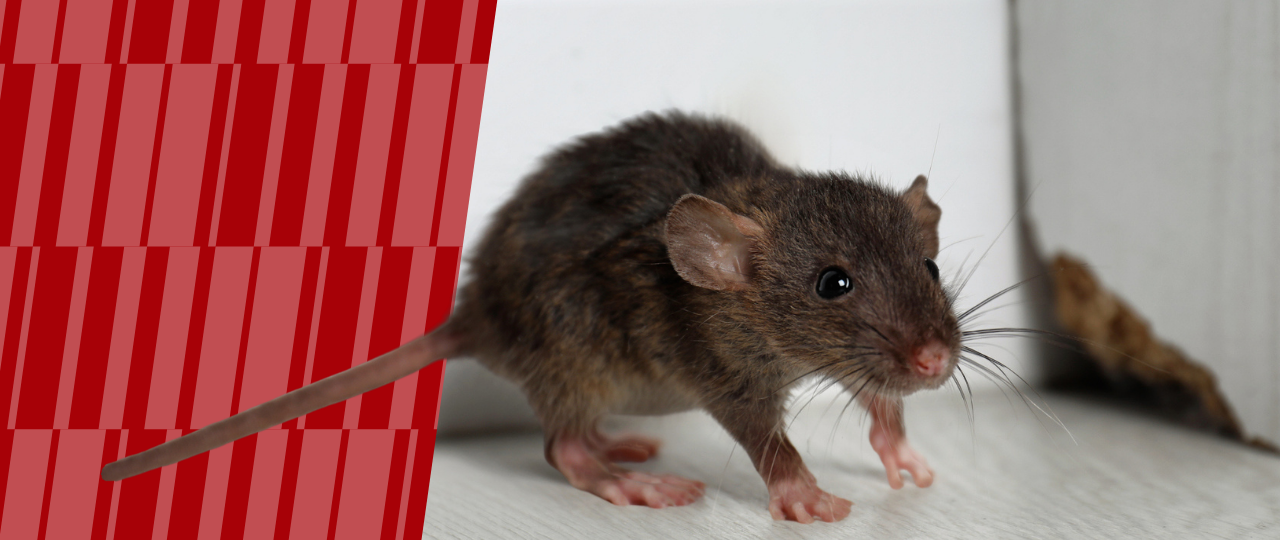
Table of Contents
The Big Takeaways:
- During colder months, rodents seek out attics, wall voids, and insulation for warmth, protection, and nesting space, often entering through small gaps around the structure.
- Once inside, mice and rats tear into insulation to build nests, which can lead to hidden damage, contamination, and ongoing activity before problems become obvious.
- Professional inspection, exclusion, and targeted nest removal remain the most reliable way to keep rodents out of homes during winter and limit insulation damage.
During colder months, rodents may look for shelter that offers warmth and protection, with homes and commercial buildings becoming prime targets for nesting grounds.
Attics, wall voids, and insulation provide the conditions rodents need to survive cold weather and raise young. Once inside, mice and rats often tear into insulation to build a rodent nest that stays hidden until damage or activity becomes hard to ignore.
Understanding why rodents target insulation, how nesting happens, and what warning signs to watch for before damage spreads. Professional inspection and exclusion remain the most reliable way to keep rodents out of your home in winter.
Why Rodents in Winter Target Attics, Walls, and Insulation
Rodents may use insulation for nesting material year-round, but winter changes how and where they settle. As temperatures drop, mice and rats actively seek indoor spaces that offer warmth, protection, and limited disturbance. Attics, wall voids, and insulated areas meet those needs and often go unnoticed for long periods.
Rodents are drawn to these areas for several reasons:
- Warmth retention: Insulation traps heat, especially near light fixtures, HVAC components, and utility lines where temperatures stay more consistent.
- Low activity zones: Attics and wall voids see little foot traffic, allowing rodents to remain hidden during colder months.
- Easy nesting material: Insulation can be shredded and moved easily, making it useful for building and reinforcing a rodent nest.
- Protection from weather and predators: Enclosed spaces shield rodents from cold air, moisture, and outdoor threats.
Once rodents gain access, insulation serves two purposes: It helps maintain body heat and provides material for nesting.
Mice and rats can enter through small gaps around foundations, siding, vents, and utility penetrations. After entry, they often move freely through walls and ceilings, using insulation-lined paths to stay concealed throughout winter.
These conditions set the stage for nesting behavior that can continue unnoticed until insulation damage or indoor activity becomes apparent.
How Rodents Use Insulation to Build Nests
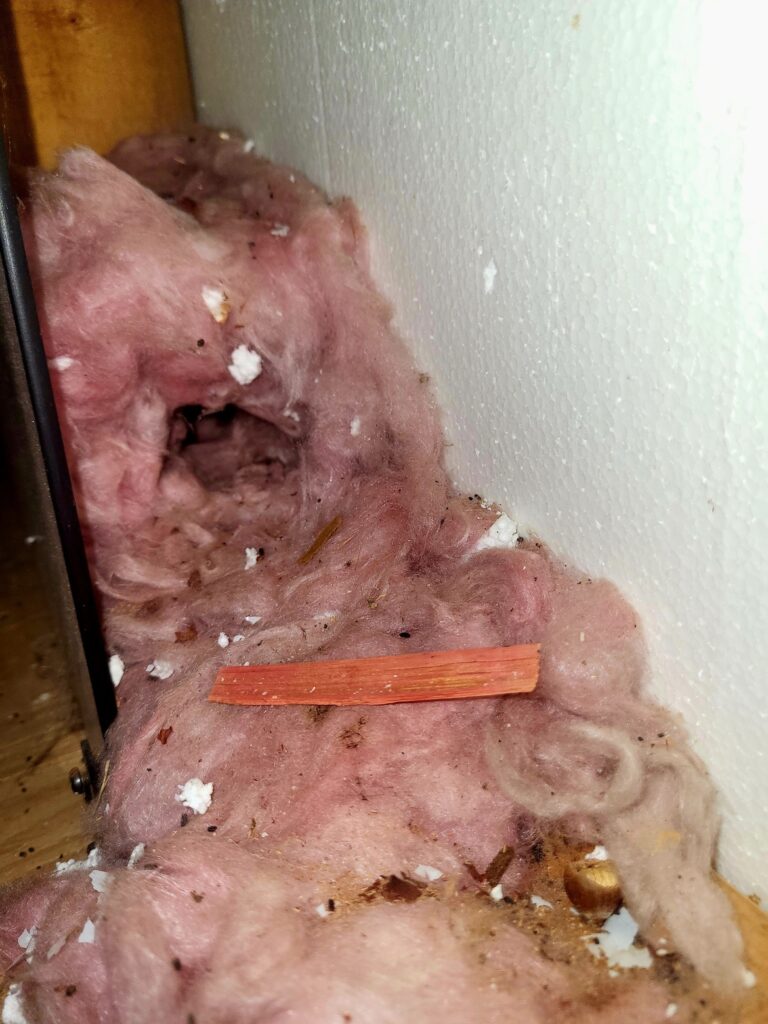
After entering a structure, rodents begin collecting materials to build a nest. Insulation is often the first material used because it is lightweight, easy to pull apart, and effective at holding heat. Materials such as fiberglass and cellulose insulation are commonly torn into smaller pieces and carried to nesting sites.
Rodents can combine insulation with scraps of paper, cardboard, fabric, and other materials gathered from inside or outside the structure. Mice and rats may transport materials from garages, storage areas, or exterior spaces. These materials are packed together with droppings and urine, creating a compact nest that offers warmth and shelter.
Nesting activity increases during winter as rodents prepare to hunker down during cold weather or protect offspring as they develop. Insulation-lined nests help regulate temperature and reduce heat loss, allowing young rodents to survive in hidden spaces behind walls or above ceilings.
As nesting continues, insulation damage often spreads. Rodents’ tunnels through insulation can reduce its ability to regulate indoor temperatures. Contamination from droppings and urine can also affect indoor air quality and create sanitation concerns for both homes and businesses.
Warning Signs of Rodents in Insulation and Hidden Nesting Areas
Rodents often remain out of sight, but their activity leaves behind clear indicators. Common warning signs include:
- Small holes or tunnels in exposed insulation
- Quarter-sized openings often indicate mice
- Larger openings may indicate rats
- Shredded insulation found in areas where it should not be present
- Droppings near attic access points, wall voids, or utility lines
- Sounds such as scratching, gnawing, or movement in walls or ceilings
- Insulation displaced along travel routes as rodents move between nesting and feeding areas
These signs typically indicate established activity. Once rodents reach insulation and begin nesting, the issue rarely resolves without professional assessment and treatment.
Contact Us Today
If you have questions about our services, plans, or pricing, we are here for you. Call or fill out the form to communicate by email.
Keeping Rodents Out With Proven Exclusion Steps
Preventing rodent entry is often the foundation of long-term control. Professional exclusion focuses on identifying and sealing the access points rodents use to enter a structure.
Professional inspection often includes checking the entire base of the home, foundation gaps, siding transitions, utility lines, window frames, door frames, and vents. Rodents can enter through openings as small as a dime; larger gaps up to the size of a softball are also common.
Small openings can often be sealed as part of professional exclusion services. Larger structural gaps may require repair by a contractor before pest-proofing can be completed. Closing these access points helps prevent rodents from returning once activity is addressed.
Rodent-Proof Insulation Options That Reduce Nesting and Damage
Rodent-proof insulation focuses on preventing access rather than relying on insulation material alone. Proper sealing around vulnerable areas limits a rodent’s ability to reach insulation in the first place.
Professionals may use copper mesh or steel wool as backing material. These materials resist chewing and block access points. Once installed, they are sealed into place with silicone caulk to prevent movement and maintain long-term coverage.
Foam alone is not a reliable sealing method. Rodents can chew through foam, reopen entry points, and continue moving through walls and attics. Durable materials paired with professional installation reduce the chance of repeat nesting and insulation damage.
Effective Rodent Nest Removal: When to Call American Pest
If rodents are already moving insulation or nests are discovered, the issue has likely moved beyond prevention. At that stage, a professional inspection is recommended to assess activity levels and identify entry points.
American Pest technicians remove rodent nests as this is found to help reduce indoor activity and limit contamination. Rodent nest removal and targeted rodent insulation removal support overall control by addressing active nesting areas.
Calling for service before activity becomes obvious can help limit damage. Rodents are more likely to enter structures as colder weather approaches, making fall and early winter an important time for inspections, but year-round inspections are the best form of prevention. Professional service allows for early detection, exclusion planning, and treatment when needed.
Bonus Trivia: Following Insulation Clues
Insulation color can help reveal rodent travel routes. If an attic contains white, fluffy insulation and wall voids contain yellow, stringy insulation, finding white insulation inside a wall void can point to a rodent entry point in the attic. Starting inspections at the suspected source and working downward often helps uncover hidden access points and nesting areas.
Professional Help Stops Winter Rodent Activity
Rodents in winter rely on insulation for warmth, shelter, and nesting. Once inside, damage and contamination can increase quickly. Professional inspection, exclusion, and targeted nest removal remain the most effective way to protect insulation and limit rodent activity. Contact American Pest to schedule an inspection and start a treatment plan that targets rodent nesting areas, blocks entry points, and helps keep rodents out of your home during winter.
Related Posts
Contact Us Today!
Do you need an estimate for service or have questions about pests? We’d love to hear from you!
Fill out the form and receive feedback today. For immediate service, please give us a call!