Why Fungus Gnats Are Common in Homes With Houseplants
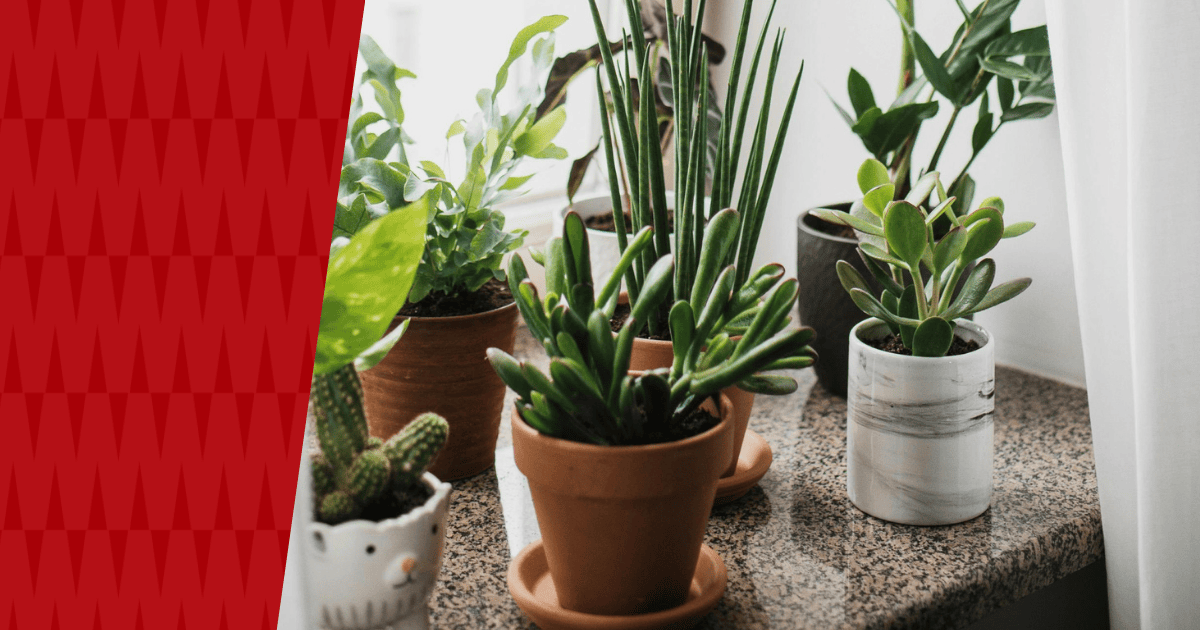
Table of Contents
The Big Takeaways
- Gnats in plants are often linked to excess moisture in potting soil and can multiply quickly indoors.
- Signs of fungus gnats usually begin with small flying insects near houseplants and may indicate developing larvae in the soil.
- Root feeding by fungus gnats can impact plant health.
- Professional pest control can help address recurring fungus gnat problems and support long-term gnat prevention.
Why Gnats in Plants Are So Common Indoors
Fungus gnats are small flying insects frequently found around houseplants. Homes with multiple potted plants provide ideal conditions for these pests, especially when the soil remains damp for extended periods. Overwatering is one of the most common reasons homeowners begin noticing gnats in plants.
Indoor spaces offer stable temperatures and consistent humidity. Without outdoor weather patterns to disrupt development, fungus gnats can reproduce steadily inside. The organic material in potting soil, along with naturally occurring fungi and decaying plant matter, provides food for developing larvae.
Adult fungus gnats are often seen hovering around plant containers, windows, or light sources. While they resemble tiny flies, their presence usually signals activity beneath the soil surface.
Common contributing factors include:
- Soil that stays consistently moist
- Containers with limited drainage
- Organic debris on the soil surface
- Introducing new plants without inspection
Without proper management, fungus gnats can spread from one plant to several throughout the home.
Signs of Fungus Gnats in Houseplants
Recognizing the signs of fungus gnats early can help limit their spread. Most homeowners first notice adult fungus gnats flying near plants or resting along window sills.
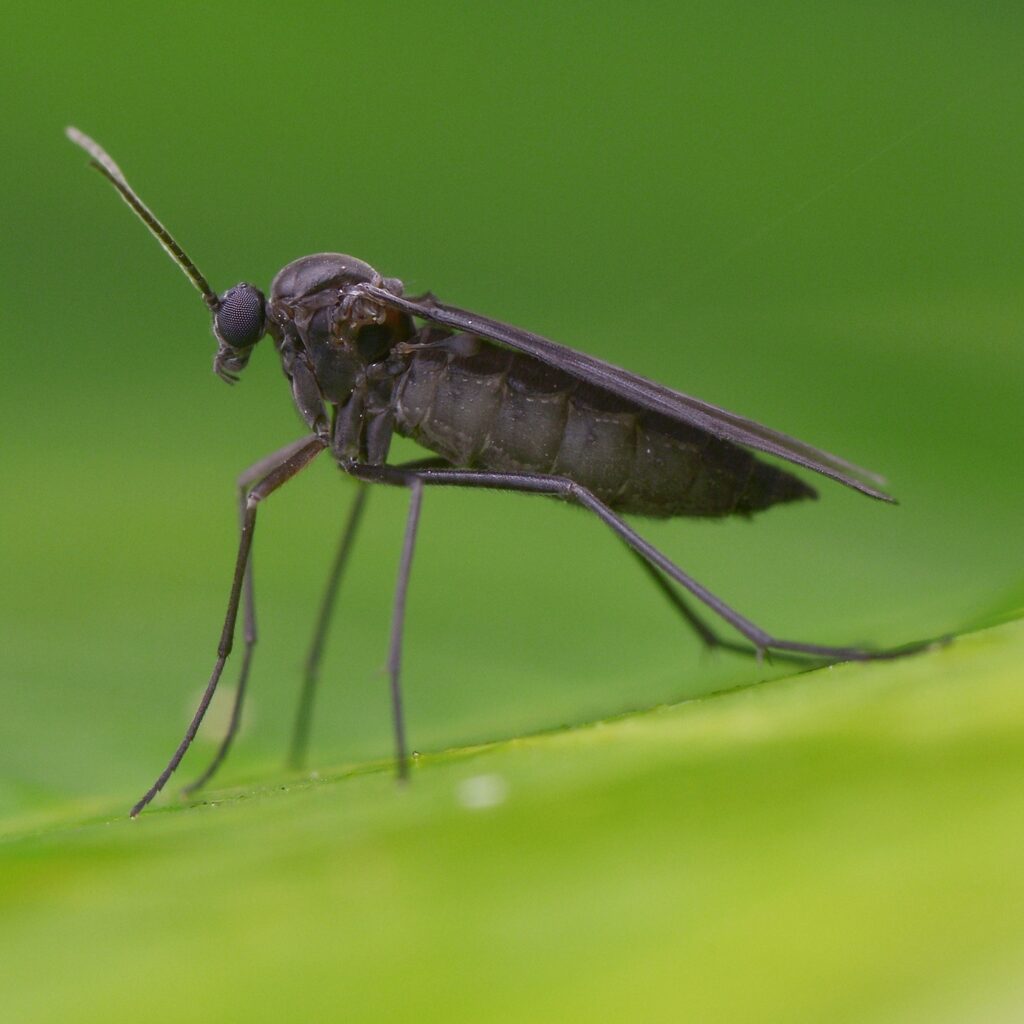
Fungus gnat size is small, typically about one-eighth of an inch long. They have slender bodies, long legs, and delicate wings. Because of their appearance, they are often confused with fruit flies.
Beyond visible adults, infestations may also involve larvae developing in the soil. In heavier infestations, plant health can decline due to root feeding.
Are Fungus Gnats Harmful to Humans?
In most cases, fungus gnats do not bite or transmit disease. They are considered nuisance pests rather than a direct threat to people.
However, large numbers of adult fungus gnats can disrupt daily comfort. Their presence around living areas, kitchens, or home offices can become frustrating. Ongoing activity may also signal moisture conditions in the home that should be addressed to prevent further pest concerns.
Contact Us Today
If you have questions about our services, plans, or pricing, we are here for you. Call or fill out the form to communicate by email.
Understanding the Fungus Gnats Life Cycle
The fungus gnat’s life cycle helps explain why activity can persist indoors. Adult fungus gnats lay eggs in moist potting soil. Within a few days, fungus gnat larvae hatch and begin feeding on organic material and fungi.
The life cycle consists of four stages:
- Egg
- Larva
- Pupa
- Adult fungus gnat
Larvae remain in the soil for roughly two weeks before pupating. Shortly after, new adults emerge and continue the cycle. Under favorable indoor conditions, reproduction can occur continuously.
Because much of the fungus gnat’s life cycle takes place below the soil surface, homeowners may see adult fungus gnats without realizing larvae are still developing. Addressing only the flying adults rarely resolves the full issue.
Gnat Prevention and Long-Term Control
Gnat prevention begins with moisture management. Allowing the top layer of soil to dry between watering can reduce conditions that support egg laying. Proper drainage and routine plant maintenance also limit organic buildup at the base of planters that attracts fungus gnats.
In homes with numerous houseplants, recurring activity may still develop despite careful plant care. Yellow insect sticky tape can help pinpoint where gnats are most active. When adult fungus gnats continue appearing or spread beyond isolated pots, professional evaluation may be needed.
American Pest provides pest control services designed to address indoor pest concerns, including persistent gnat problems. Our team evaluates contributing conditions, identifies breeding sources, and recommends treatments when necessary.
If you are noticing ongoing signs of fungus gnats or increasing adult fungus gnats indoors, contact American Pest today for a quote and learn more about professional solutions for long-term gnat prevention.
Related Posts
Contact Us Today!
Do you need an estimate for service or have questions about pests? We’d love to hear from you!
Fill out the form and receive feedback today. For immediate service, please give us a call!