Why Silverfish Show Up More Often in Summer
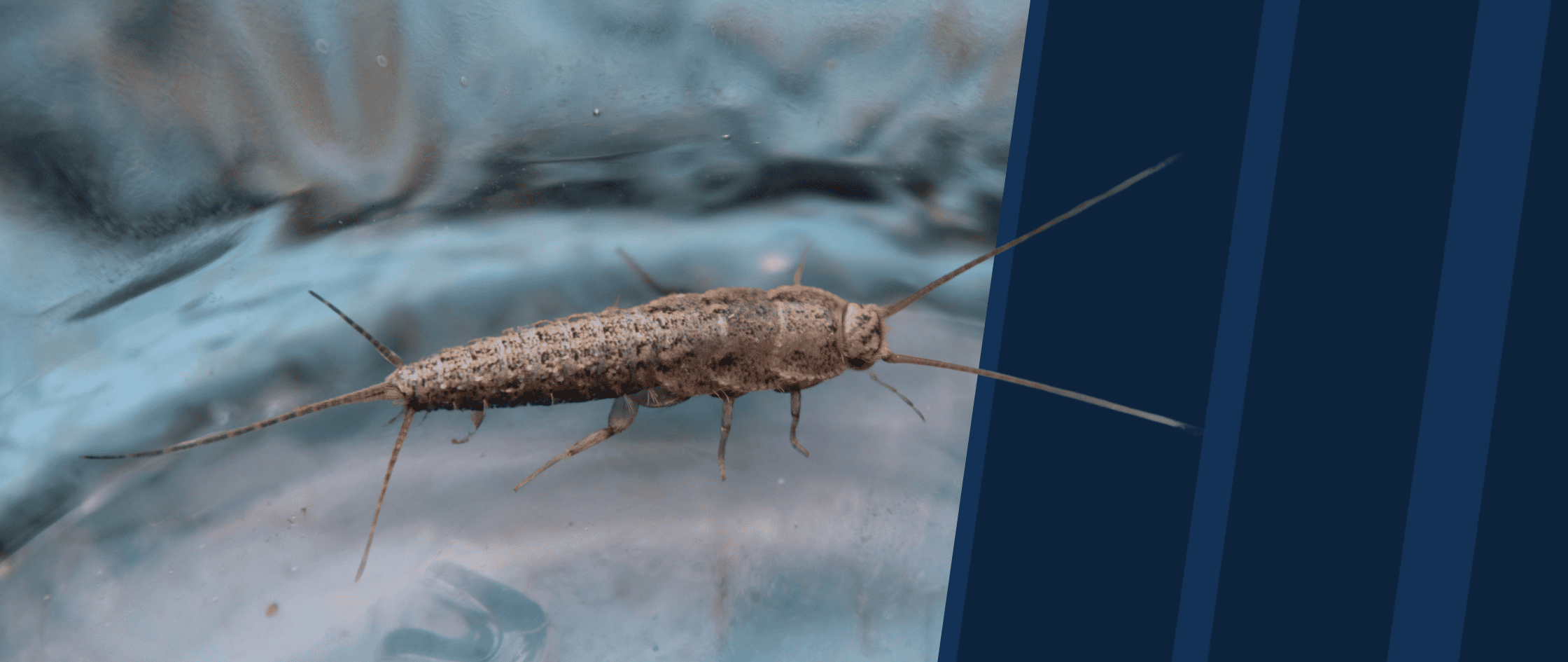
Table of Contents
The Big Takeaways:
- Summer sightings usually mean an existing population, not a new one.
- Bathrooms, basements, and crawl spaces hold the moisture silverfish need.
- Isolated sightings respond to moisture control; established ones need professional treatment.
A silverfish sighting inside a home rarely means the pest just arrived. Silverfish are small, wingless insects, typically silver to gray, with a flattened, tapered body that narrows toward the tail, similar in shape to the fish they’re named for. They move in quick, darting bursts rather than flying or jumping, and they’re most active at night, which is often the only time homeowners notice them at all.
They live in homes year-round, tucked into bathrooms, basements, and closets where moisture collects. Summer just gives them better conditions to reproduce and move around, which is why homeowners notice them more this time of year than any other.
What Draws Silverfish Into a Home in Summer
Anyone asking, “Why do I have silverfish?” is usually looking at a pest that was already present before summer arrived and went unnoticed. These insects prefer damp, dark spaces year-round: under sinks, behind baseboards, inside stored boxes. What changes in summer is the amount of moisture available to them, a pattern that also drives other bathroom and basement pest activity this time of year.
Rising outdoor humidity pushes indoor humidity up too, especially in rooms with poor airflow. That extra moisture speeds up how often silverfish feed and reproduce, so a population that stayed small and hidden in spring becomes noticeable by midsummer. The pest didn’t change. The conditions supporting it did.
Why Humidity and Heat Speed Up Silverfish Activity
Silverfish need consistently high humidity to survive. Research from Ohio State University puts their preferred range between 75-95 percent relative humidity, and heat accelerates their development from egg to adult. Summer delivers both at once. A basement or bathroom that sits at moderate humidity most of the year can cross that threshold during a hot, humid stretch, and the silverfish already living there respond by feeding and breeding faster.
This is a biological response, not a behavior change. The insects are not seeking out summer conditions on purpose. They are reacting to moisture and temperature the same way they would at any time of year, and summer simply supplies more of both, similar to what draws pests into crawl spaces once humidity builds underneath a home.
Which Rooms and Conditions Attract Silverfish Most
- Bathrooms with some combination of limited ventilation, issues with humidity, and chronic dampness
- Basements and crawl spaces holding humidity
- Attics during extended hot, humid weather
- Closets or storage areas with paper, cardboard, or fabric.
Signs of a Silverfish Infestation Worth Watching For
A silverfish infestation often goes unnoticed until the population has grown enough to become visible in multiple spots. A few sightings at night are common even in homes without a larger problem, and some of the more surprising silverfish facts explain why they’re so easy to miss early on. The signs below point to something more established.
- Small, silvery, wingless insects seen moving quickly at night
- Shed skins collecting in drawers, closets, or storage boxes
- Yellow staining or small holes in paper, wallpaper, or fabric
- Sightings in more than one room, not just near a sink or tub.
When Silverfish Numbers Signal a Bigger Problem
Occasional nighttime sightings near a damp bathroom are usually low-level activity. A pattern worth acting on looks different: silverfish appearing during the day, damage showing up in stored books or documents, or activity spreading to rooms without an obvious moisture source. Information from NC State notes that feeding evidence, like damaged paper or fabric, and cast skins are often the clearest sign of an established population. At that point, the population has likely grown past what moisture control alone will fix.
Professional Silverfish Control and Removal Options
Reducing humidity, running a dehumidifier, fixing leaks, and improving ventilation help limit the conditions silverfish depend on. Information from the University of Missouri points to lowering humidity and sealing entry points as the foundation of effective control. For an isolated sighting or two, that may be enough. An established population, however, usually needs more than moisture control to resolve.
Professional silverfish control starts with identifying where moisture is collecting and where the insects are entering, since treating symptoms without addressing the source rarely holds. A technician can pinpoint problem areas a homeowner might miss, apply treatment suited to the specific conditions in that home, and advise on the moisture fixes that keep the population from returning.
Homeowners searching for how to get rid of silverfish on their own often see short-term results that fade once humidity rises again. Addressing both the insects and the moisture behind them is what makes the difference last.
Contact American Pest today to schedule a silverfish assessment as summer humidity gives the population more room to grow.
Related Posts
Contact Us Today!
Do you need an estimate for service or have questions about pests? We’d love to hear from you!
Fill out the form and receive feedback today. For immediate service, please give us a call!